Different Japan
The case against Hakone
For most first-time travellers to Japan travel companies usually include a day or two in Hakone. But does the region justify your time? Well, the answer is not as straightforward as you may think...
“So, are there any places in Japan you’d like included in your itinerary?”
The answer is usually reassuringly familiar. Tokyo, of course. Kyoto, naturally. Perhaps Hiroshima (with Miyajima), Takayama, Kanazawa. A night or two in a ryokan. A ride on the bullet train. A tea ceremony. Maybe even a geisha performance?
All excellent choices. And then it comes.
“Oh… and Hakone, obviously. To see Mount Fuji.”
Ah. You were doing so well.
I don’t like Hakone. More to the point, I don’t think you should include it in a two- or three-week itinerary in Japan. Not because it’s terrible - but because, with limited time, it simply doesn’t earn its place. Let me explain.
The Case For Hakone
First, let’s be fair. Hakone didn’t become a staple of the “classic” Japan itinerary by accident.
It’s convenient. Almost suspiciously so. The bullet train line between Tokyo and Kyoto runs right past it, making it an easy stop without much logistical effort.
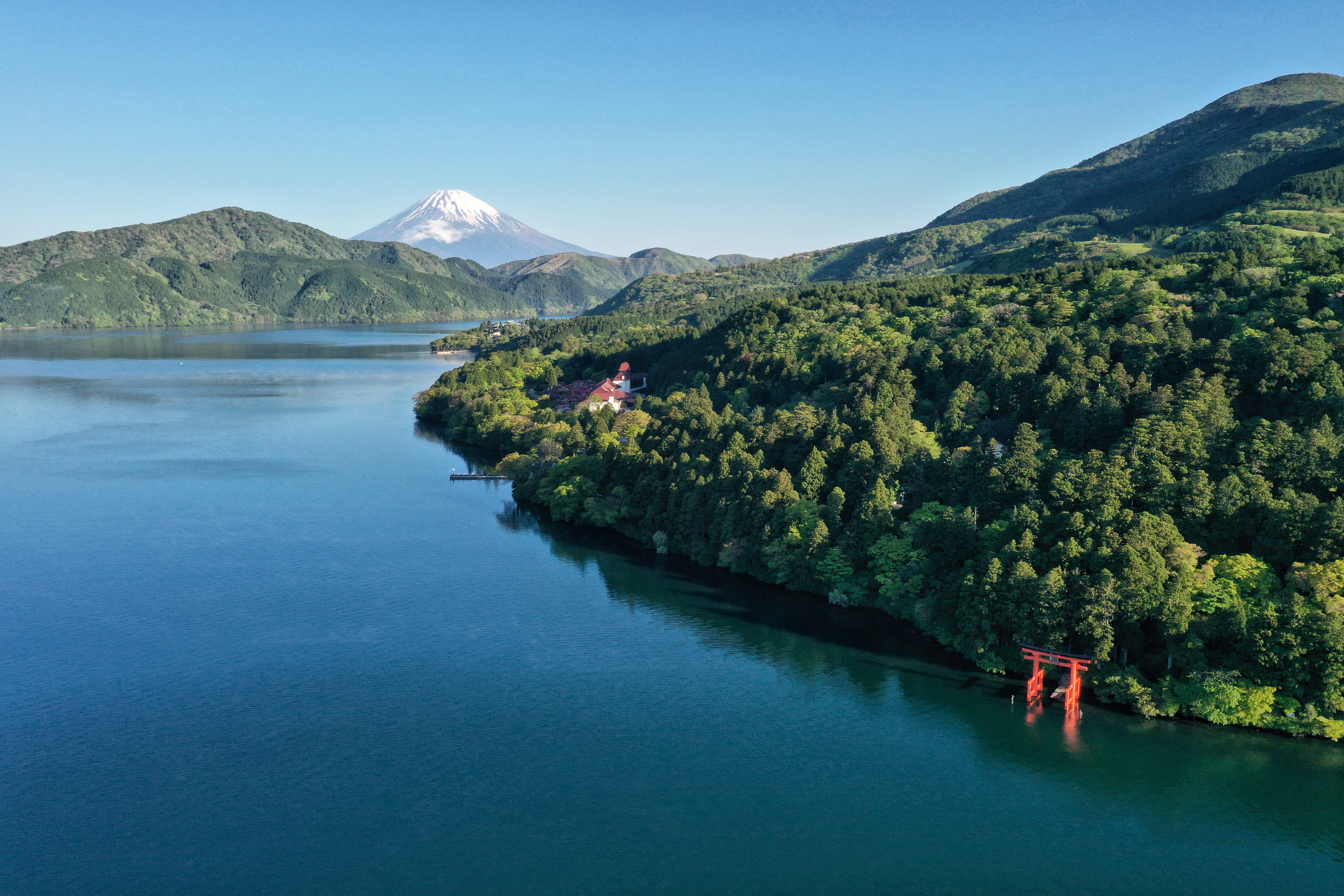
Then there’s Mount Fuji. The icon. The postcard. The quietly looming presence that feels like it must be seen, otherwise the trip somehow doesn’t count. Hakone sits within Fuji’s orbit, promising those picture-perfect views.
It’s also countryside - genuinely pretty countryside. After Tokyo’s neon and Kyoto’s temple-hopping, Hakone offers greenery, lakes, and a sense of calm. It ticks the ‘contrast’ box nicely.
And yes, there are ryokan. Stay a night, enjoy an onsen, eat a beautifully presented kaiseki dinner, and - tick - another essential Japanese experience achieved.
Add a well-chosen photo to all this, and it’s very easy to convince yourself: of course we’re going to Hakone.
The Reality
Now let’s take off the rose-tinted glasses.
Hakone is close to Tokyo. Very close. Which makes it not just convenient for you, but for everyone. When I lived in Tokyo, it was the default escape: friends visiting from the UK? Hakone. Needed a break from my job in the big city? Hakone. Dirty weekend away with a new girlfriend [I was in my 20’s when I lived in Tokyo!]? Hakone again.
And because it ticks all those itinerary boxes so neatly, it’s on almost every visitor’s list.
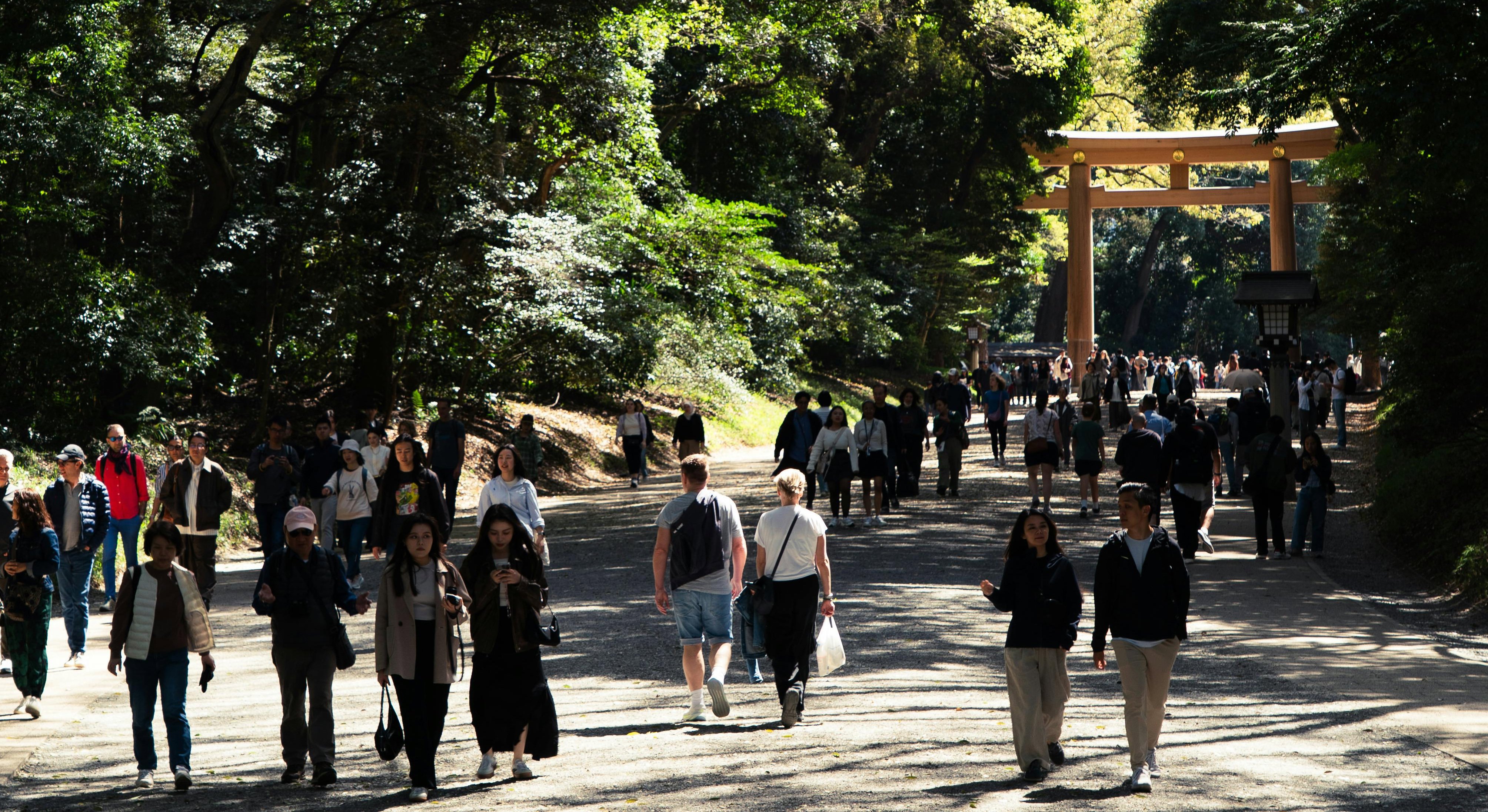
The result? It’s busy. Really busy. Roads clog. Queues form. In peak periods, you can wait 40 minutes just to board a funicular or one of the boats crossing Lake Ashi. You’ll shuffle along in orderly lines, gently herded from one “experience” to the next.
If that sounds suspiciously like a theme park, you’re not entirely wrong. And it’s probably not why you came all this way.
The Ryokan Question
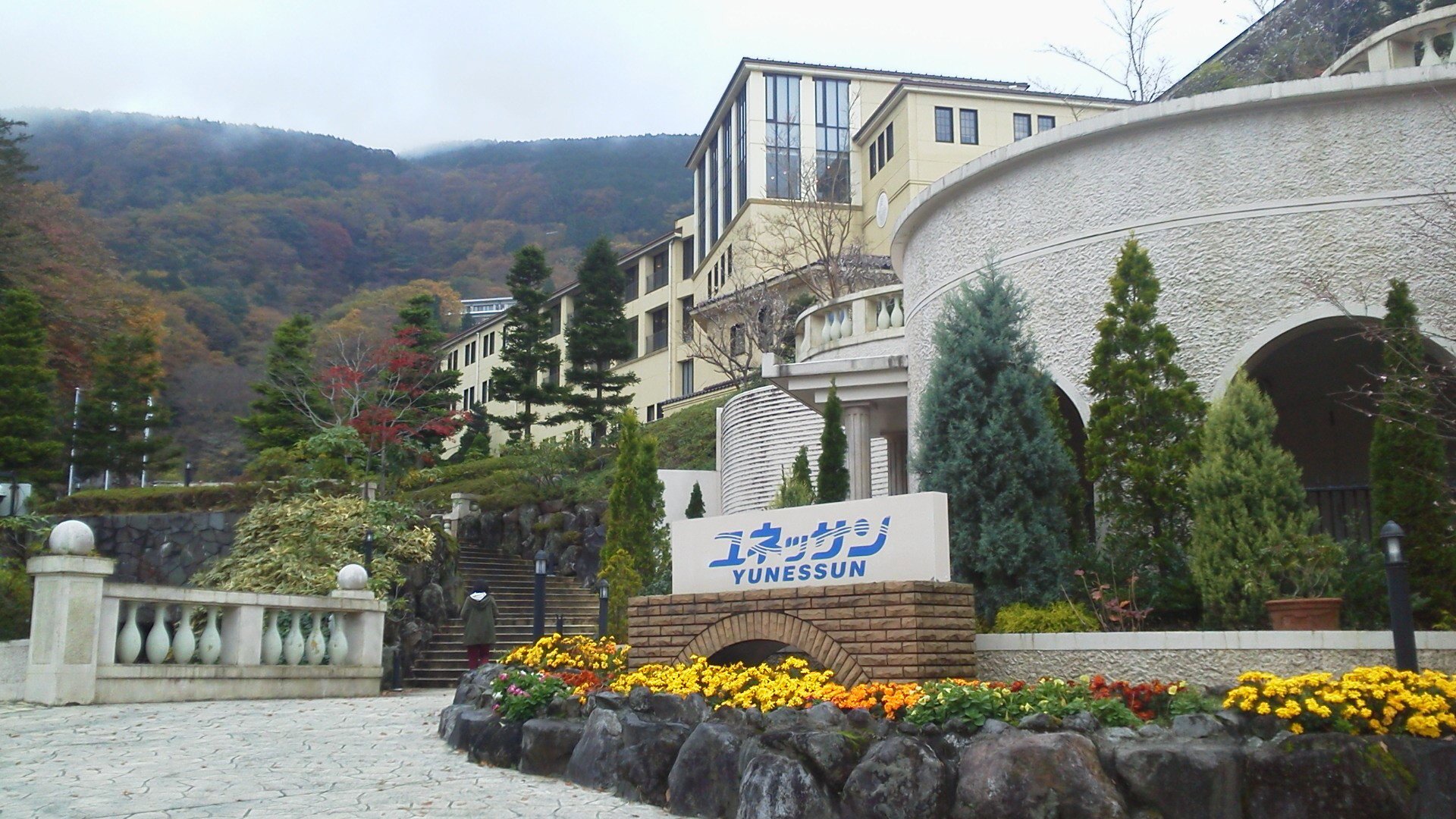
Yes, Hakone has ryokan (traditional Japanese inns). But many are no longer the intimate, characterful places you might be imagining. Mass tourism has a way of encouraging scale. Larger properties and standardised experiences, a slightly diluted version of tradition designed to accommodate volume.
There are still some wonderful, family-run ryokan tucked away - but they’re increasingly rare, and you need to know where to look.
Put simply: there are better ryokan experiences elsewhere in Japan.
And Then There’s Fuji-san (or, perhaps, there 'isn't Fuji-san!)
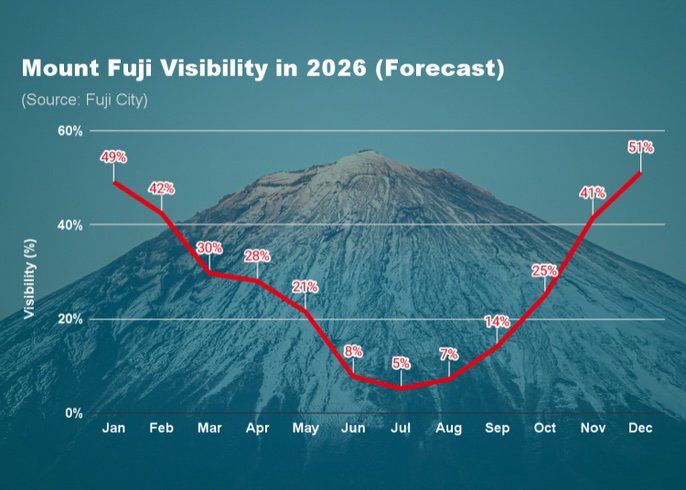
Let’s address the volcano in the room. You’re going to Hakone to see Mount Fuji. But, there’s just one small issue - you probably won’t.
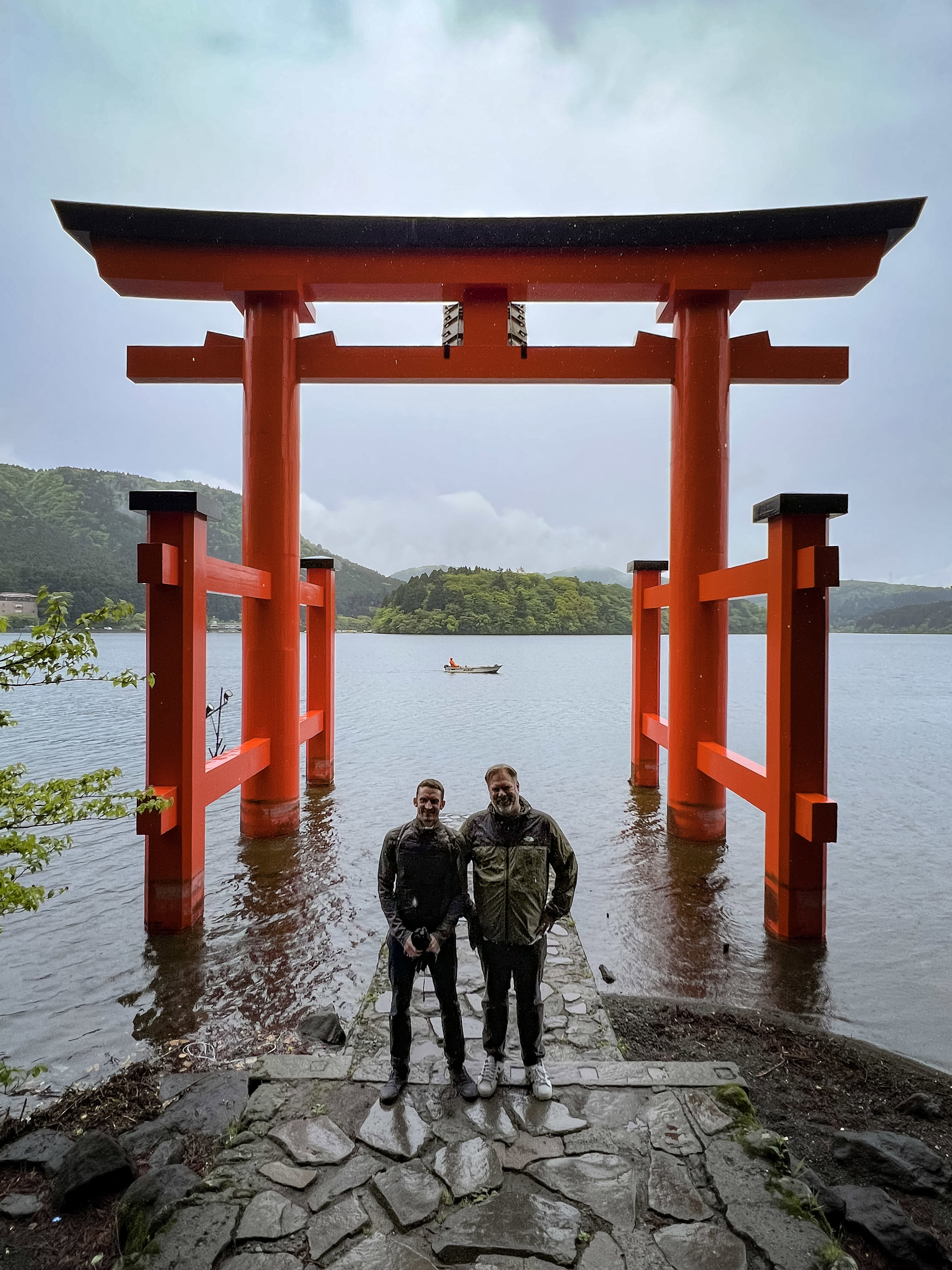
Fuji is notoriously shy. Clouds, mist, haze, and general atmospheric ambiguity obscure it more often than not. In all my visits to Hakone – over the years, perhaps well over twenty? - I’ve seen it clearly from the lakeshore of Lake Ashi, Hakone’s centrepiece, only a handful of times.
The irony? Some of the best views I’ve ever had of Fuji were from a plane approaching Tokyo’s Haneda Airport, or from my home in the urban heart of the city itself on a crisp winter morning. Alternatively, places like the Izu Peninsula or Lake Kawaguchiko often offer clearer, more consistent views.
Fuji from Hakone on a good day is magnificent. But good days are rare. And spending one or two precious nights of your itinerary chasing a maybe is, at best, optimistic.
So What Should You Do Instead?
That depends entirely on you—your interests, your pace, your reasons for coming to Japan in the first place.
But almost without exception, we can use that time better. An extra night in Tokyo to slow things down? A deeper dive into a rural idyll region you hadn’t considered. A genuinely memorable ryokan somewhere less obvious. The opportunity cost of Hakone is real—and often overlooked.
If You Insist…
Now, if you’re still determined to go to Hakone, then at least do it properly. Stay somewhere small and characterful - we know a few. Avoid the standard loop. Plan your time carefully.
Because there are things here worth your attention - and they have very little to do with Mount Fuji.
Hakone’s history, for one, is genuinely fascinating. During the Edo period, it served as a key checkpoint on the Tokaido road between Kyoto and Tokyo. It was, effectively, the gateway to the capital. The authorities took this role seriously: controlling weapons, monitoring movement, and - rather intriguingly - preventing certain individuals (notably wives of powerful figures) from leaving.
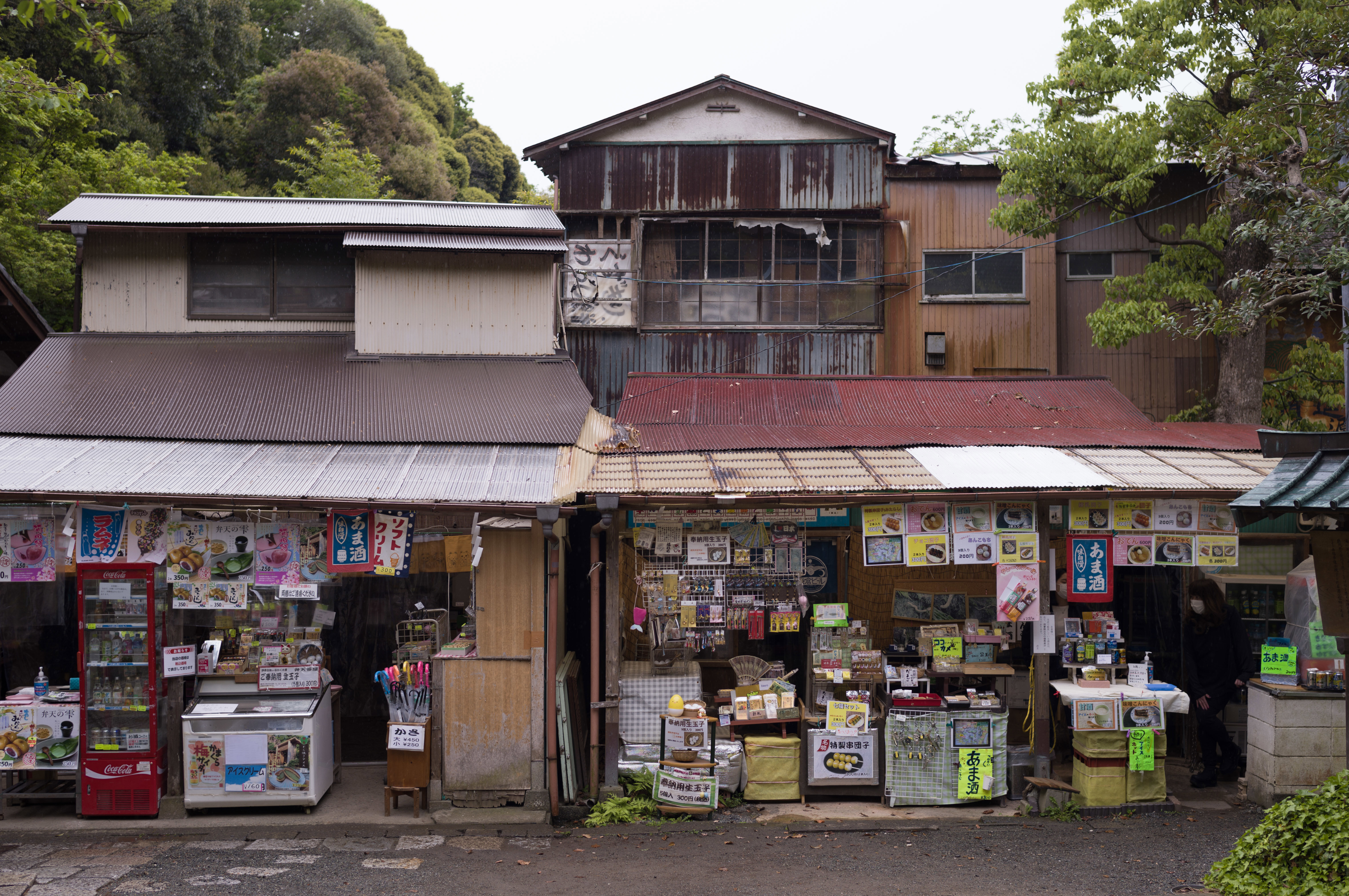
You can still walk sections of the old Tokaido route today, through quiet forest paths that feel a world away from the crowds. A particular highlight is the walk from Moto-Hakone to Amazake Chaya—a 400-year-old teahouse serving sweet rice drink made to a recipe that hasn’t changed in centuries. It’s atmospheric, peaceful, and genuinely memorable. In other words, it’s everything the main Hakone circuit often isn’t.
The Verdict
Hakone isn’t awful. It’s just overused, overpromised, and—too often—underwhelming. With limited time in Japan, it rarely justifies the space it occupies.
So my honest advice? Skip it.
There’s a better – different - Japan waiting elsewhere.
And we'd love to talk all about it with you. Call us on 01242 242 505 or click here to get in contact and begin planning your trip now.