Different Japan
First Time in Japan? Where to Go & How to Plan Your Trip
Planning your first trip to Japan? From Tokyo and Kyoto to Mt Fuji, ryokan stays and hidden gems, here’s how to choose the right places for your itinerary.
If you’re planning a first-time visit to Japan, it can be quite overwhelming sifting through the startling array of options available. How do I get around Japan? Do I go to the city or the countryside? What is a ryokan anyway?
A quick look online can sometimes make things even less clear, with each website seeming to offer contradictory advice.
I’m not going to answer every question in this blog – I’d end up writing a novel-length tome if I tried to do that – but this guide should at least help you sift through the noise and settle on the perfect locations to visit during your precious time in Japan.
Japan is a wonderfully varied country and the things it does well – unique cultural exchanges, fascinating history, stunning nature and sublime food – are each covered below. Bear in mind, the below suggestions are what I believe to be the most easily accessible and beginner-friendly, not necessarily ‘the best’ and this list is absolutely non-exhaustive.
Now that I’ve got the disclaimers out of the way, let’s get to it.
For city vibes
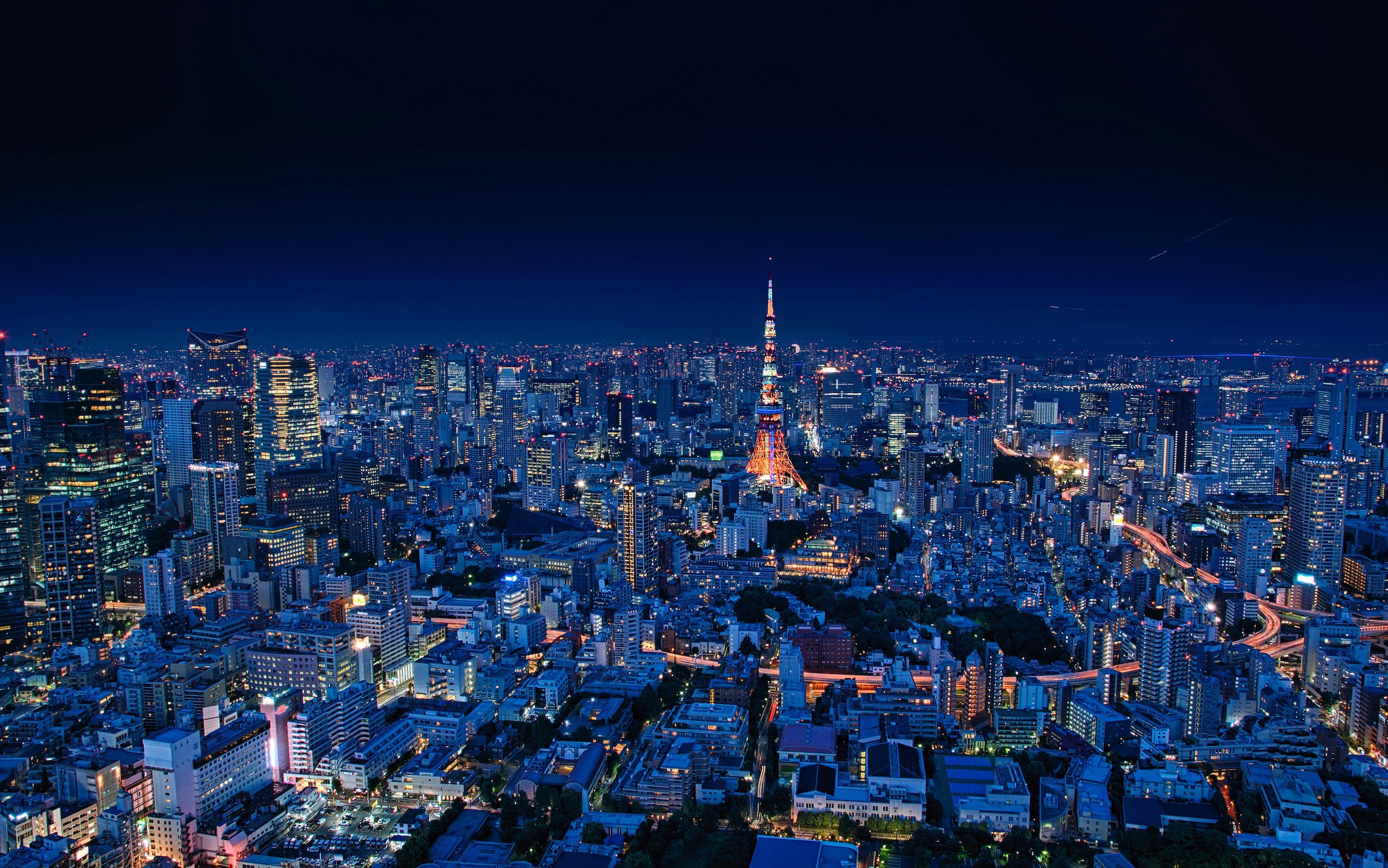
Our founder Nick would kill me if I didn’t say Tokyo is the best city to visit in Japan. It is, after all, the quintessential Japanese city and one of the great mega-cities of the world.
Tokyo, the sprawling capital that’s home to 14 million people, is a living contradiction: it’s both everything you expect from Japan and also more than capable of delivering constant surprises. The Blade Runner-esque neon cityscape of popular imagination? Head to Shinjuku or Shibuya. Quirky pop culture, anime and dubious fashion? Harajuku and Akihabara. Giant robots?! Odaiba has you covered.
But there is so much more to Tokyo than its popular image. It’s packed full of quiet residential areas with distinctive shotengai shopping streets; atmospheric izakaya bars, the haven of the slightly sozzled salaryman; fashionable hipster thrift stores, coffee roasteries, craft breweries and artisan bakeries; world-class sport both familiar (football, rugby, baseball) and irreverently Japanese (sumo); flagship stores for some of the world’s leading luxury fashion brands; beautiful historic temples with fascinating backstories; themed cafes of every stripe imaginable (some heart-warmingly cute, some morally dubious); traditional craft workshops passed down through generations; noisy video game arcades and pachinko parlours; moody jazz bars and listening lounges; world-class amusement parks; some of the finest museums and art galleries in the world….
I could go on and on but you get the picture – whatever your reason for visiting, you will find it in Tokyo. So, once you’ve had a few days here, do you even need to visit another big Japanese city? The answer is, maybe…?
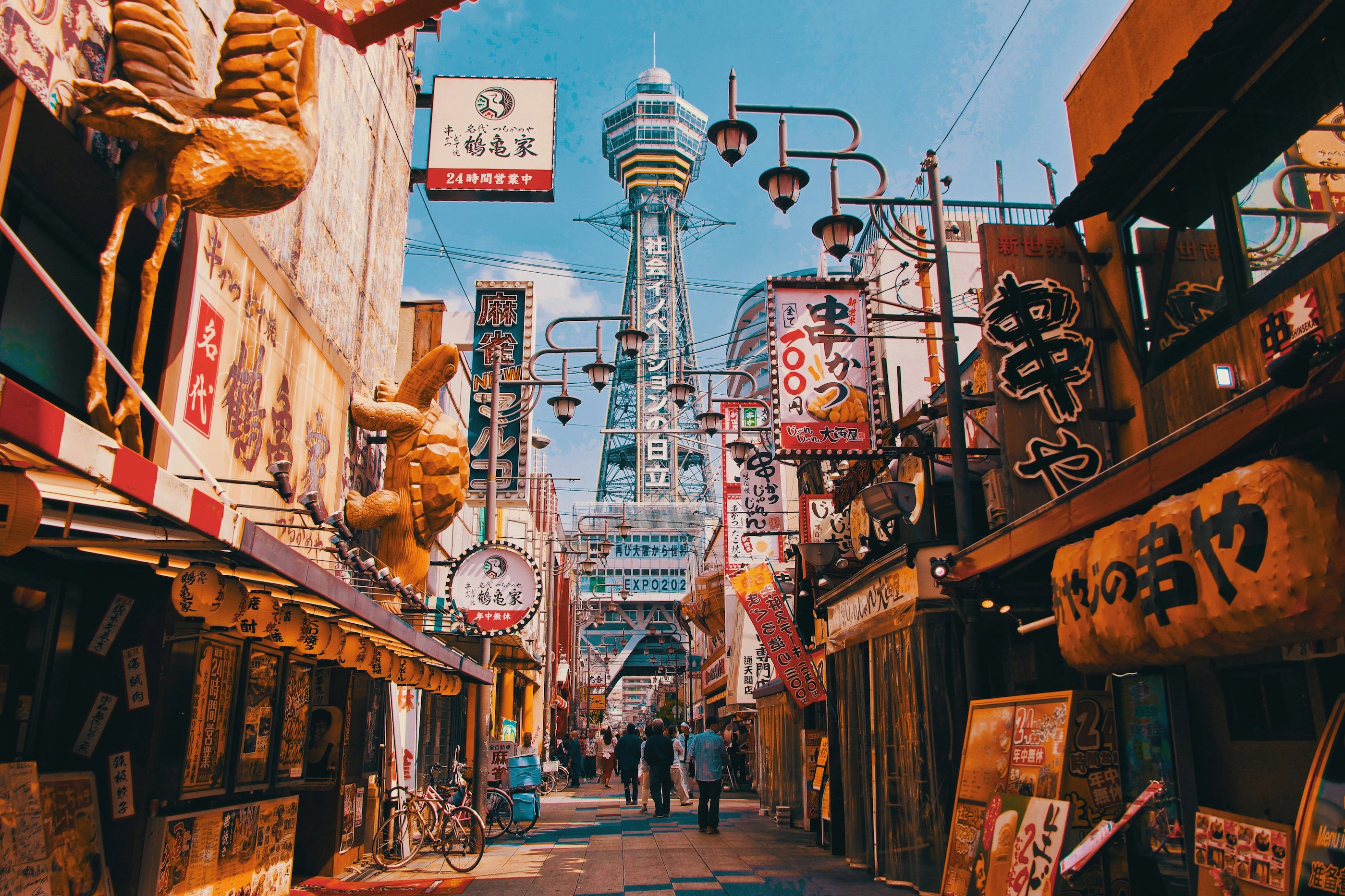
Osaka is the other city on many people’s list. But the truth is that, in many cases, an extended stay here isn’t necessary. For most people, a stay in Tokyo has already ticked that box – the one marked ‘big, urban cityscape’ – and Osaka is just more of the same. For those spending time in Kyoto, it’s close enough for a day trip and makes for a refreshing change of scenery. But a longer stay is not necessary.
Unless…
• You are a foodie. Osaka is often called ‘Japan’s kitchen’ and it’s a well-deserved nickname. This is a city that seriously cares about its food. The okonomiyaki, takoyaki, kushikatsu and udon are the best you will find in Japan. If you like to eat your way around a city, Osaka is the one.
• You are a connoisseur of cities. If your idea of good time is brushing shoulders with strangers on a busy subway, people-watching from a cosy café or seeking out a secret shop or restaurant known only to real locals, adding a second ‘big city’ location to your itinerary might just be a masterstroke. In Osaka, you’ll find plenty to compare and contrast against Tokyo: people are friendlier and funnier, the city is edgier and cooler, the food is superb. And Osaka is a city blessed with some unique and quirky districts begging to be discovered by the discerning metropolitan.
• You really want to visit Universal Studios. Or Osaka’s impressive aquarium. Or its (somewhat less impressive) castle. There are, admittedly, a couple of things you can only do in Osaka.
I could make the case for Yokohama, Fukuoka or Sapporo too – but this section is long enough already and that is an article for another time.
For history and culture
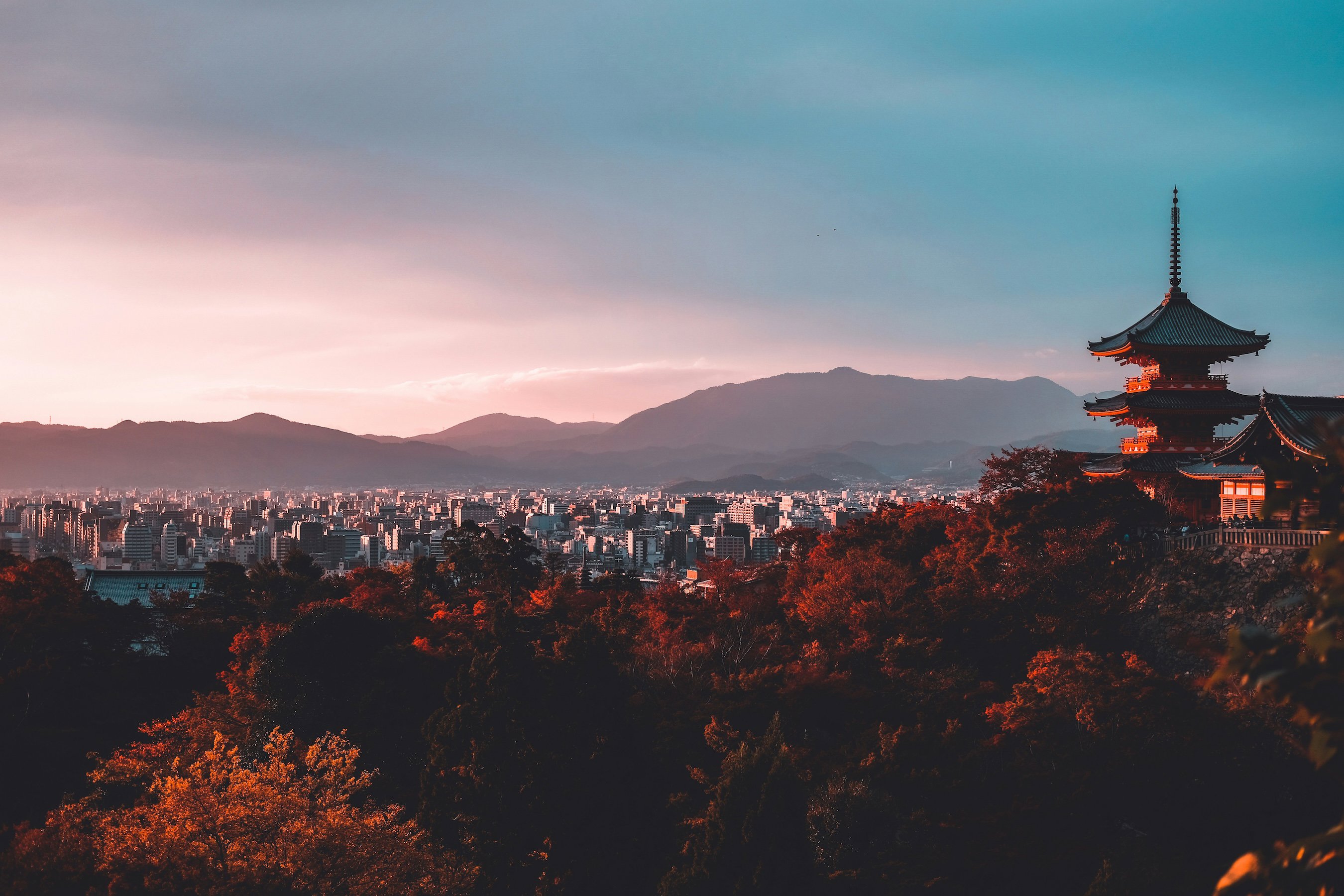
It’s hard not to recommend Kyoto. Everyone visits this city on their first visit to Japan and it’s obvious why – Kyoto is still Japan’s cultural capital to this day, packed full of historic temples and shrines, boasting scenic winding alleys hiding kimono-clad geisha, where a steaming cup of matcha is never more than a few feet away.
But Kyoto is also a byword for overtourism, attracting around 10 million overseas visitors each year. While there are certain seasons that are quieter than others, and we’ve developed some superb ways to see the city away from the tourist crowds in conjunction with our local contacts, we’re also always happy to recommend some great alternative options.
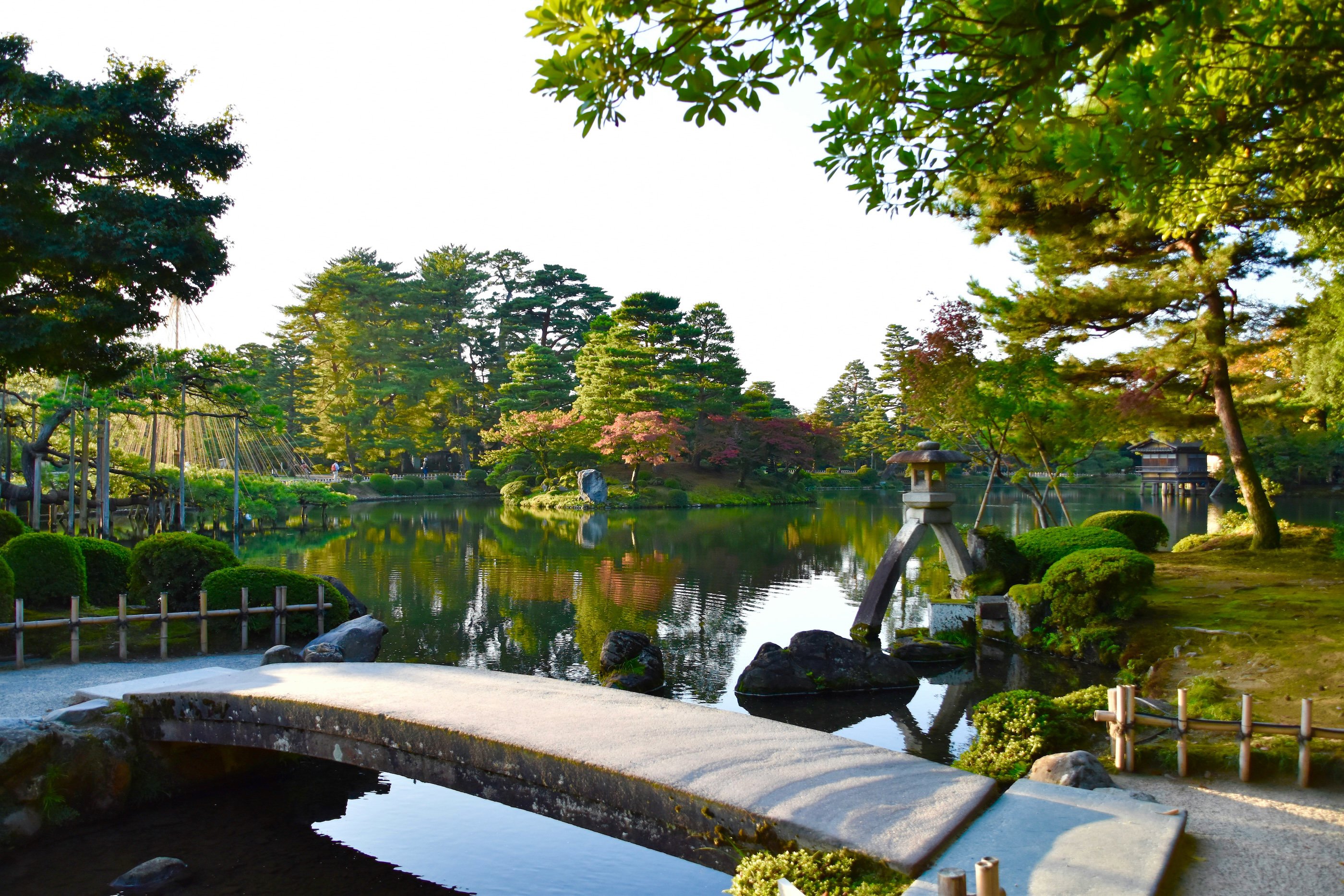
Chief among these is Kanazawa, one of my favourite cities in Japan and located conveniently between Tokyo and Kyoto. Not quite the hidden gem it once was, Kanazawa has got a lot more popular since the direct bullet train route from Tokyo opened in 2015 but compared to Kyoto it’s relatively unspoiled by large groups of tourists.
Why visit? The reasons are many and varied. The biggest attraction by far is the spectacular Kenrokuen garden in the heart of the city, one of Japan’s finest landscape gardens. Kanazawa is also home to some stunningly well-preserved historic districts – a visit to the Nagamachi samurai district or the teahouses of the Higashi Chaya area really is like stepping back in time, an experience that is sadly difficult to find elsewhere in Japan. This is a city where the old ways are respected, making it a haven for traditional artisanship such as gold leaf, lacquerware and kimono silk dyeing. Whether you’d just like to pick up a unique souvenir, or get hands-on and try it yourself, we can help you discover Kanazawa’s artisan culture. I’d be remiss also not to mention the food – Kanazawa’s coastal location makes it a great location for fresh seafood, and a trip to the atmospheric Omicho market is a full sensory experience and one I’d highly recommend over the more famous and touristy fish markets of Tokyo.
It’s a wonderful city of history and culture with plenty of secrets to uncover.
For Mt Fuji views
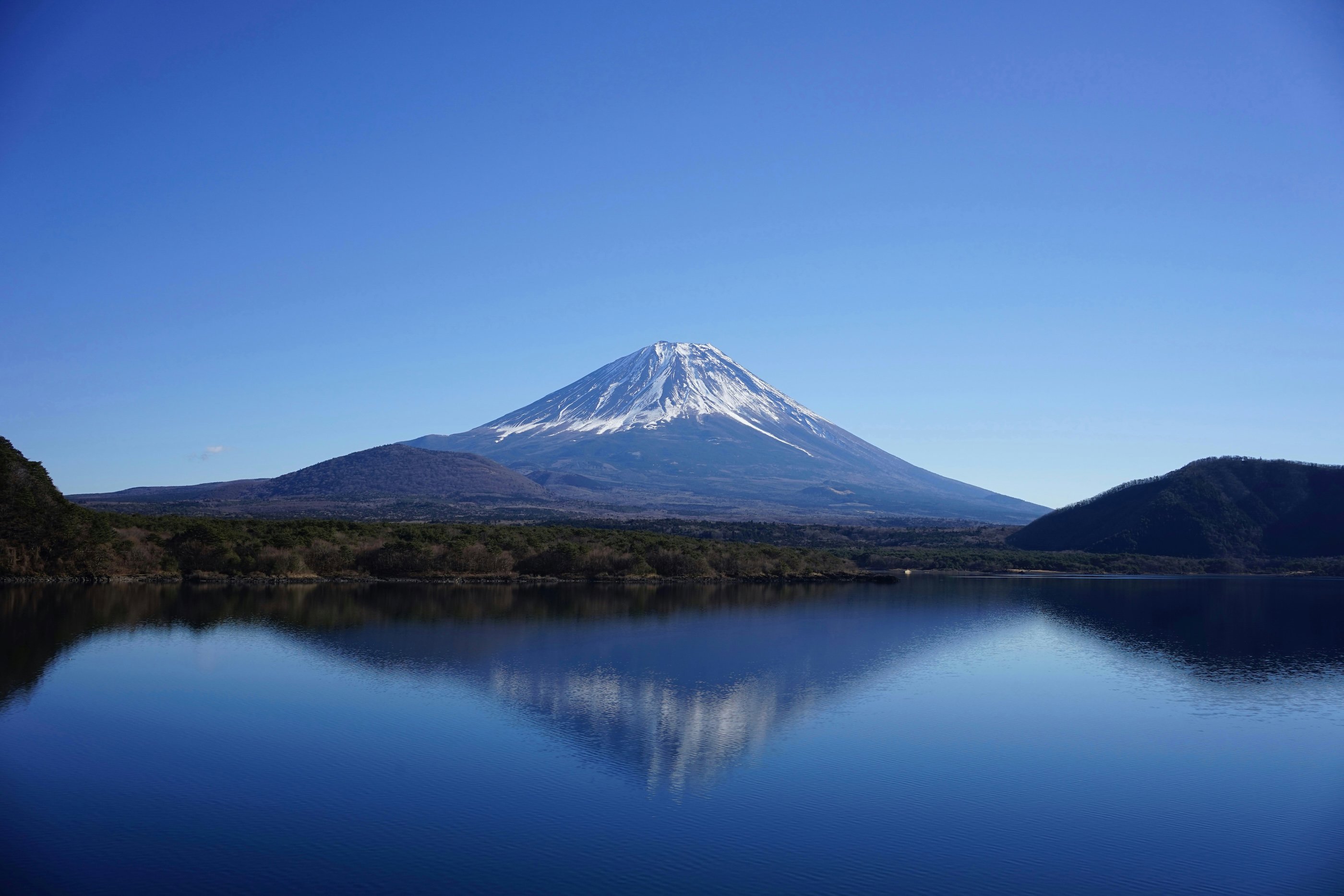
There are few more iconic sights in Japan than the majestic Mt Fuji, Japan’s tallest mountain at 3,776m and for many travellers an absolute bucket list item. For many, a trip to see Mt Fuji will mean staying in the popular onsen hot spring resort of Hakone, just a short journey by train from Tokyo and offering (on a clear day) some lovely views of the mountain from a few select locations.
This is certainly the easiest way to catch a glimpse of Mt Fuji, but is it the best? In short, no. If your goal is to see Mt Fuji, I’d recommend bypassing Hakone and instead getting much closer to the mountain and spending some time in the Fuji Five Lakes area.
Kawaguchiko is the most easily accessible of the lakes, sitting at the base of the mountain and accessed by train or coach. I love this area because the lakeside scenery against the backdrop of the impressive Mt Fuji is one of the most breathtaking views in the whole country – and it’s one you can enjoy from your room in one of the many gorgeous hotels on the lakeside.
While a trip to Japan – with its endless array of things to see and do, cultural experiences to enjoy, people to meet and food to enjoy – is typically pretty busy, a stay at Kawaguchiko offers the chance to slow down and just enjoy the scenery. Yes, there are museums, Instagrammable mountain temples, excellent hikes to enjoy and even a theme park in the area, but this is an area best taken at a slow pace, so you can truly appreciate the beauty of your surroundings.
The best way to do this, in my opinion, is to hire a car for a few days, giving you the freedom to get out and explore the wider region. I don’t want to spoil the surprise, but a day spent driving the circumference of the mountain and just stopping whenever you see something that looks interesting is one of the most rewarding you can have in Japan – and I am consistently stunned that more overseas visitors don’t try it.
For a ryokan stay
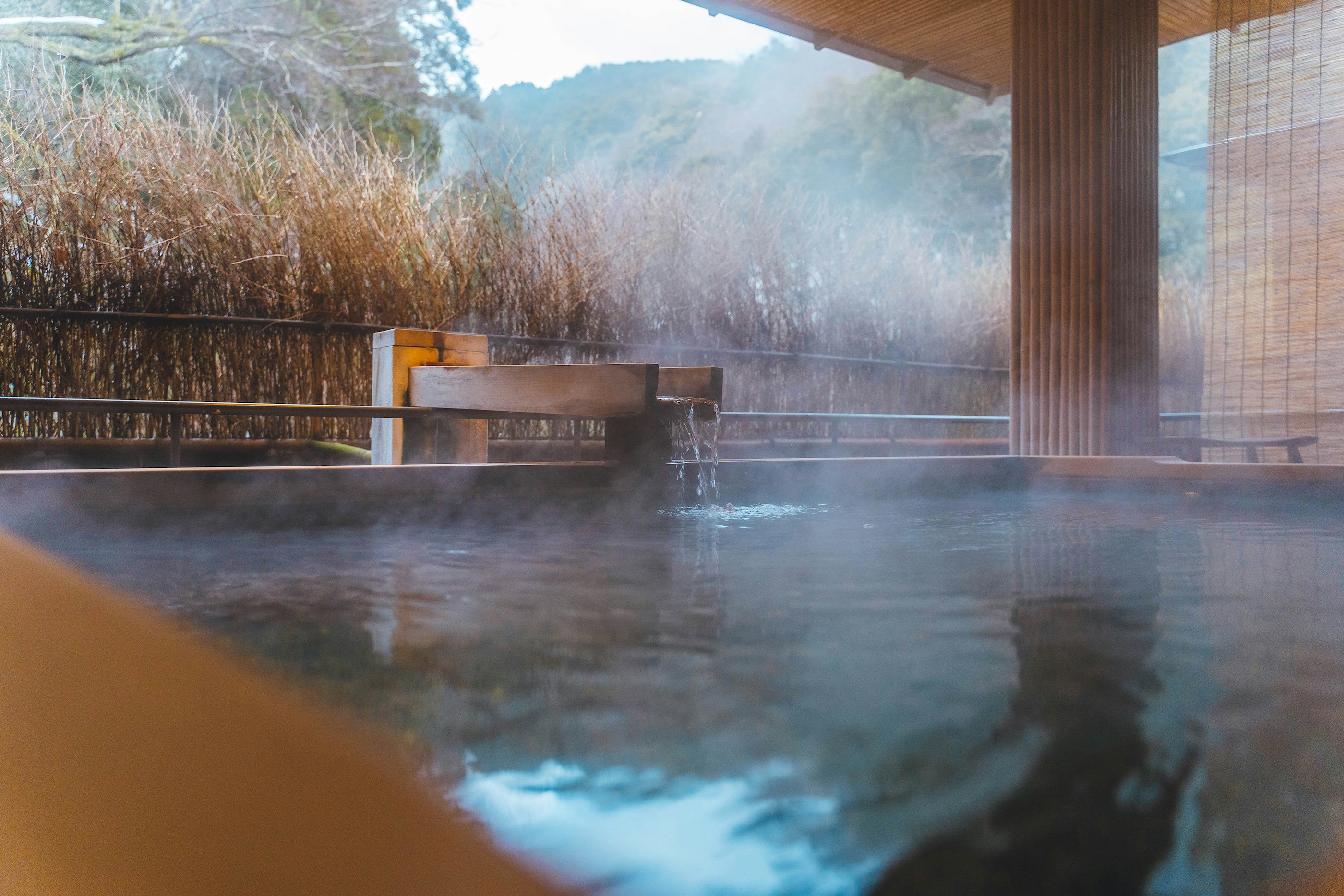
One of the absolute highlights of any visit to Japan is the chance to experience traditional Japanese hospitality with a stay at a ryokan inn. The food, the onsen, the Japanese aesthetic – exquisite.
But where to do it? The first thing to note is that there are incredible ryokan all over the country, so in truth there’s not really a ‘correct’ answer to this. But I consider a ryokan as something of an escape, somewhere that heightens your appreciation of the beautiful area it occupies and that is connected to the history of the region.
Kaga Onsen encapsulates all of this at its very best. Conveniently located between Kanazawa and Kyoto, in the lush valleys around Mt Hakusan, this a collection of historic onsen hot spring towns and home to some gorgeous ryokan. Want the full, traditional, family-owned option? It has those in spades. Stylish, modern, boutique spa resort-style ryokan? It has one of the finest in Japan. And of course it has everything in between. We can pick the perfect one for you.
Kinosaki Onsen, on the coast of the Sea of Japan, is another beautiful, historic onsen town with a host of amazing ryokan that deserves a mention. For a truly authentic traditional ryokan – with onsen baths included – you’ll find no better. Visit in late autumn or winter and you can enjoy fresh snow crab as well, elevating the culinary experience even further.
Japan offers an extraordinary range of experiences, and the challenge isn’t whether you’ll enjoy it, you will, it’s deciding how to make the most of your time there. If you’d like some help shaping an itinerary that fits exactly what you’re looking for (without the overwhelm), just let us know. We’ll guide you through it and build something that feels just right from start to finish. Click here to get in touch or call us on 01242 242 505 to begin your Different Japan experience.