Different Japan
Don’t Like Seafood? What to Eat in Japan (You’ll Be Fine)
Think you won’t survive Japan without eating seafood? Think again. From ramen to yakiniku, here’s how to eat very well in Japan. no fish required.
When I decided several years ago that I was going to move to Japan, I was told repeatedly that I’d struggle to survive with my, let’s say, ‘limited’ palette.
“You’ll never survive in Japan if you don’t eat seafood,” was the most common refrain I heard time and time again. And, truthfully, I had no idea what I would eat in Japan, given my limited familiarity with the local cuisine and tendency towards comfortable Western beige food.
But I quickly learned that Japanese food goes way beyond sushi. I didn’t just survive my six years in rural Japan, I thrived. So if, like me, you’re a dedicated seafood-avoider and are considering a trip to Japan, let this be your Bible.
Curry
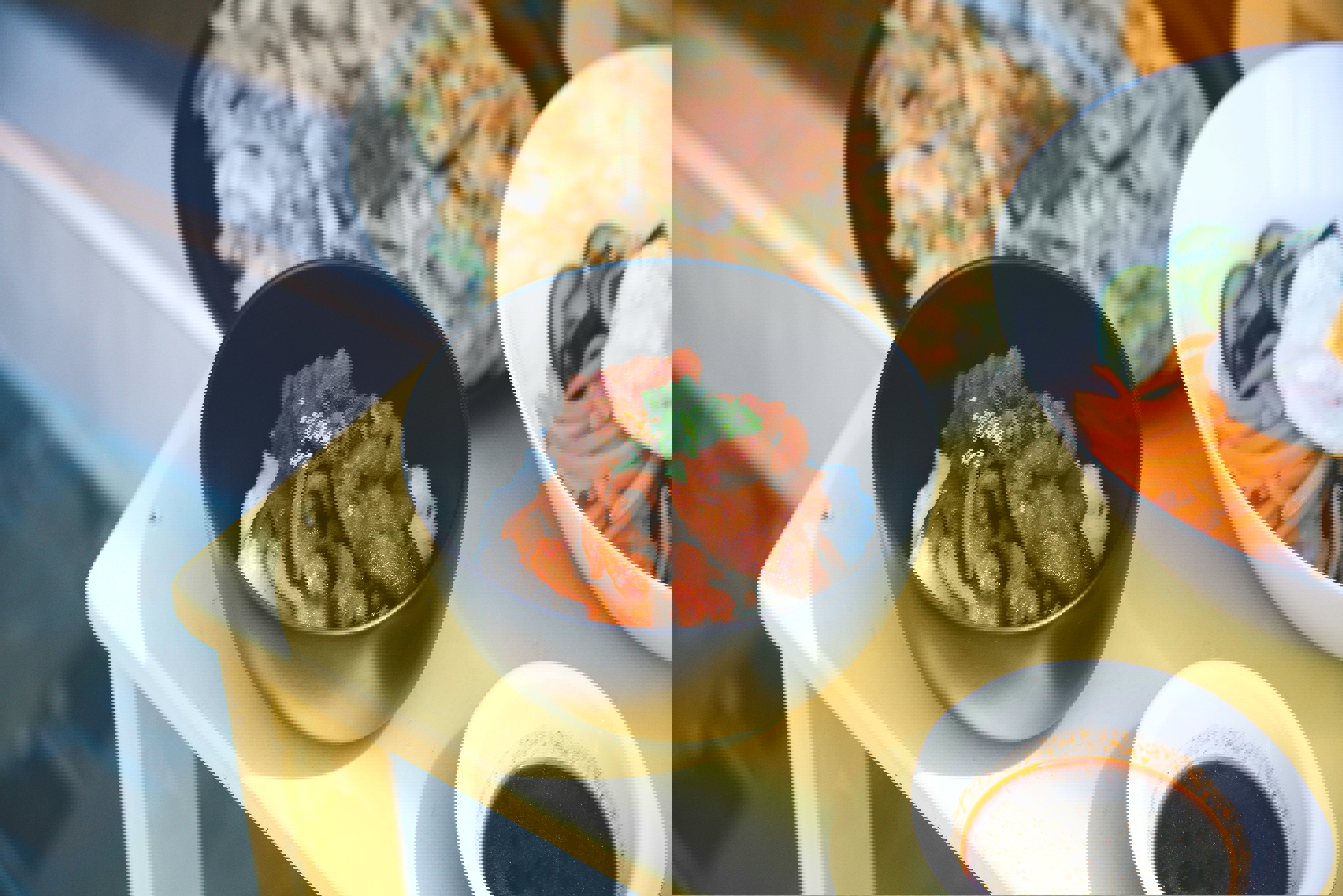
Let’s get the most obvious one out of the way right at the beginning. Japanese ‘katsu curry’ is available on high streets in just about every corner of the world these days. Sweeter and less spicy than the Indian curry that inspired it, and typically paired with a breaded cutlet of pork or chicken (the titular ‘katsu’), it’s a comfortable option that will fill you up and save you money. Does it really count as ‘Japanese’, you may ask – to which I would answer, does it really matter?
Karaage
It’s fried chicken – nice and simple. Prepared in a sweet soy-and-garlic oil, great karaage has a gentle flavour and a mighty crunch. It just feels good to eat. You’ll find this everywhere in Japan, whether from festival stalls or tiny hole-in-the-wall restaurants – even behind the counter at the convenience store. It’s a legitimate favourite of the locals, so rest assured you’re truly indulging in real Japanese food – without a bite of seafood passing your lips.
Yakitori
See above. It’s plain, it’s simple, it’s chicken. The twist here is the chicken is skewered and grilled and accompanied by vegetables. As above, yakitori is a popular choice from festival stalls but you can also pick them up as an appetiser from any local bar. Yes, it pairs exceptionally well with a cool beer.
Gyudon
Another delicious and budget-friendly option is gyudon – a simple bowl of rice adorned with thin strips of succulent and tender beef. There are many toppings you could choose to add (cheese, raw egg or even kimchi) but a simple bowl of gyudon will typically only set you back 500 yen. Fine cuisine it is not – but it is delicious.
Gyoza
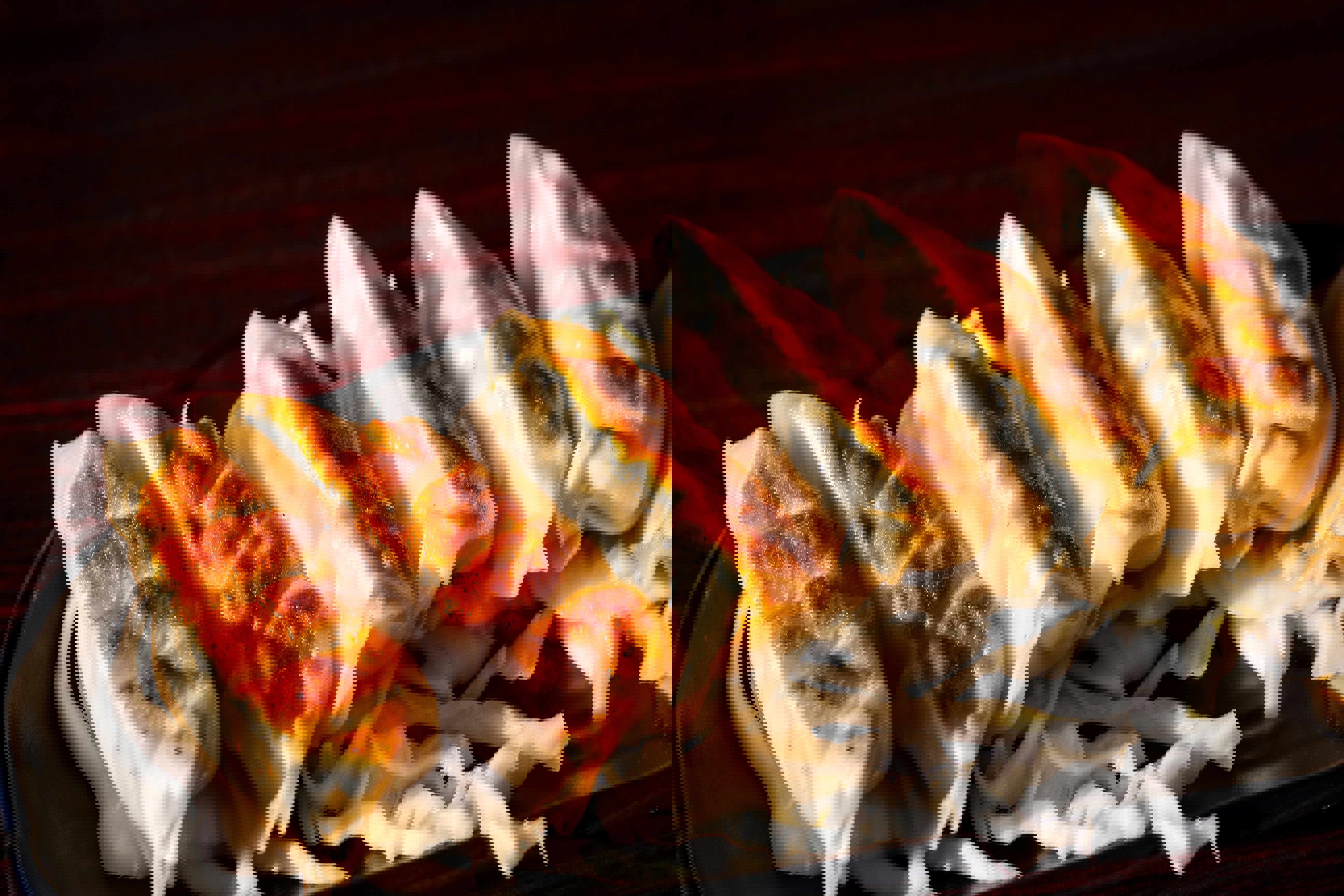
Another popular option around Japan, gyoza are fabulously bitesized dumplings stuffed full of flavour. Originally introduced from China, the recipe was perfected in Japan – although ask a hundred Japanese people the best gyoza recipe and you’ll get a hundred different answers. The ideal filling and even method of cooking is very much up for dispute but, in the simplest possible terms, typically feature ground meat (pork is most popular) mixed with a combination of vegetables and wrapped in a thin dough. Seafood varieties do exist – but we can always pretend they don’t.
Onigiri
The ultimate grab and go food, these are available from just about every convenience store in Japan. It’s about as simple as Japanese food comes – a ball of sticky rice held together by a strip of seaweed, encasing a delicious filling of your choice. Tuna and salmon are among the most popular fillings but we can skip those and instead opt for umeboshi (pickled plum), chicken, pork or even spam. There are a variety of fillings to choose from, so just pick the one the appeals to you, unwrap and away you go. Think of it as Japan’s answer to the Meal Deal.
Okonomiyaki
Probably Japan’s most popular street food, okonomiyaki is not just a great ‘safe’ option for those avoiding seafood, it’s a must-try – especially if you’re visiting Osaka or Hiroshima, the two cities most famed for their okonomiyaki varieties. Usually described as a ‘savoury pancake’, it’s really quite a simple dish. A batter mix of flour, eggs, copious amounts of shredded cabbage and sometimes some pork, all cooked on a hot plate and then topped with a variety of different sauces and occasionally (i.e. when in Hiroshima) accompanied with soba noodles. Simple, savory, seafood-free.
Yakiniku
The ultimate option for hungry carnivores, yakiniku is not just a meal – it’s a full experience. You’ll be seated at a table with a big hot plate or grill in the middle, and given a serving of raw meat to barbecue yourselves. It’s a wonderfully sociable way to dine, the meat is typically of the highest quality and you’re practically guaranteed no icky seafood. That’s all there is to it – ample servings of meat, cooked (by you) just how you want it. For those of a slightly more refined palette (or if you simply don’t want to do the work yourself), yakiniku’s high-class cousin, teppanyaki, should also be high on your list. You’ll be seated at a counter right in front of the chef and their hot seat and you’ll be able to interact with them while they sear the meat (and maybe some veggies) right in front of you. A night in a teppanyaki restaurant is usually great fun. You could order a seafood dish if you wanted to – but really, teppanyaki is all about meat.
Ramen
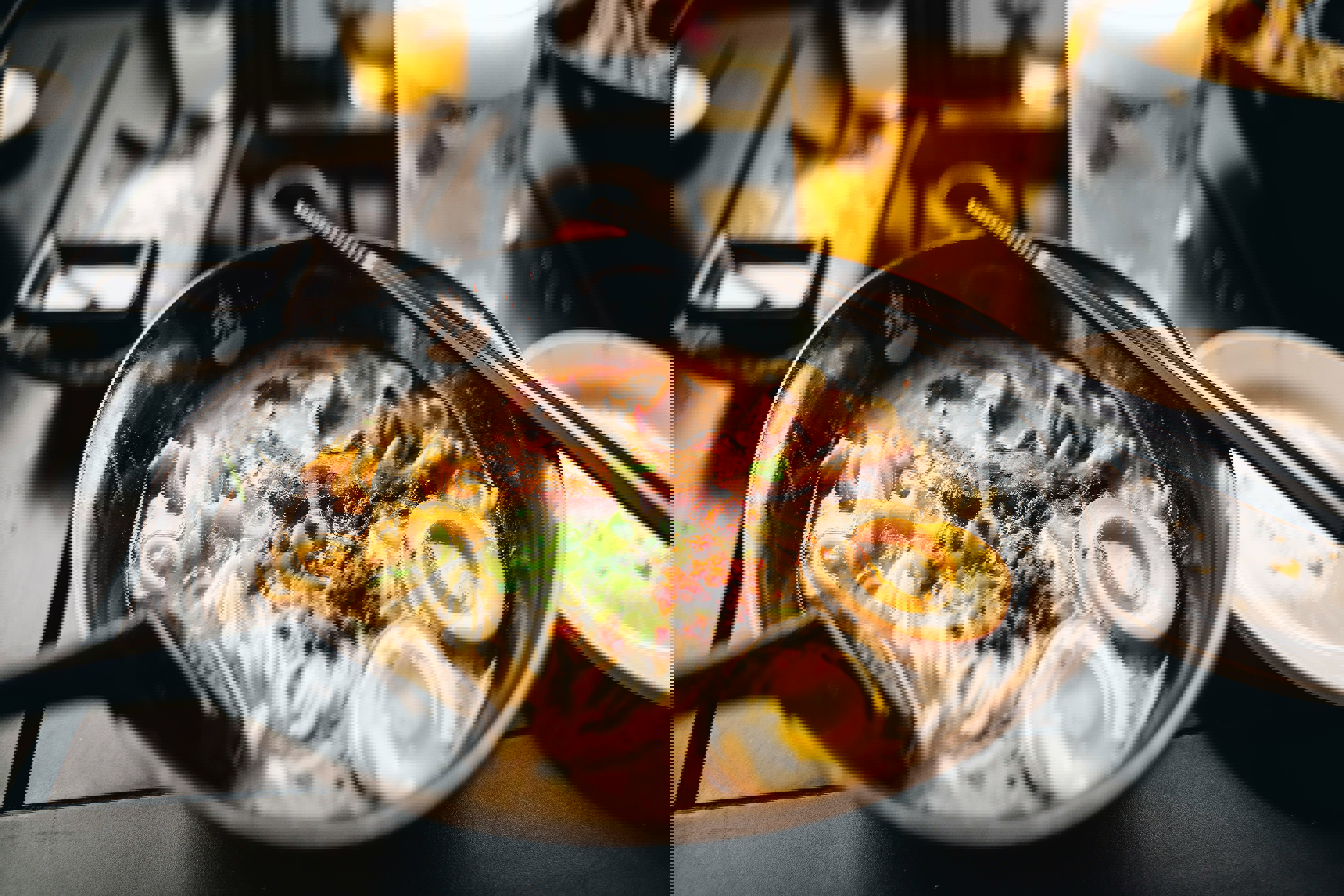
Japan’s favourite dish. Simply put, a good bowl of ramen is the best comfort food in the world. It can be eaten any time, day or night, and you’ll find little ramen shops on nearly every corner. There are several types of ramen, but the most popular (and thankfully seafood-free) are: shoyu (soy sauce); shio (salt); miso (soybean paste); and tonkotsu (pork bone). Hearty and filling, you could quite happily survive on just this for the duration of your Japan trip.
Kaiseki
The thorniest of issues, if you plan to stay at a traditional ryokan inn during your time in Japan, you’ll most likely also be expected to try the formal kaiseki evening dinner – a multi-course feast of traditional food and local specialties, made of fresh, seasonal ingredients. If you love food, this is the ultimate Japanese culinary experience – but be aware that at least one course will be dedicated to seafood. You could do as I have done on many occasions, prodding the unwanted food around the plate until it looks like you’ve eaten enough to not look rude – or, you could have us arrange a seafood-free kaiseki with your accommodation. This is typically something that needs to be arranged in advance, but if you’re trying to avoid seafood simply let us know before you travel and we’ll liaise with the ryokan in advance to spare you the embarrassment and all-round unpleasantness of being confronted with a big lump of fish.
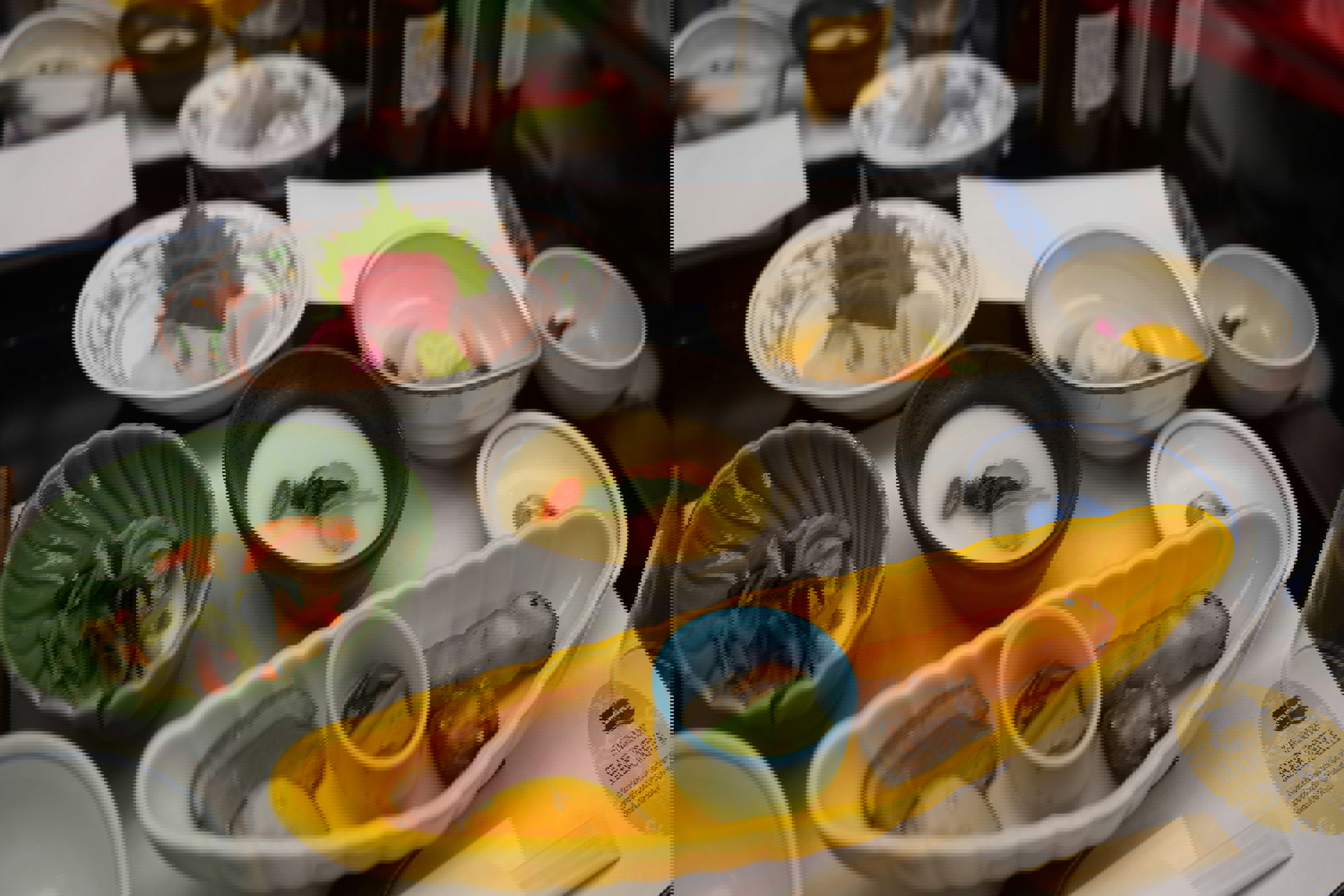
It’s one of the benefits of having Different Japan arrange your travels to meet your precise requirements, ensuring you can enjoy the trip of your dreams without worrying about any unpleasant culinary surprises.
So, if the thought of seafood has been holding you back from booking that Japan trip, consider that problem solved. You’ll eat very well, I promise. Click here to get in touch or call us on 01242 242 505 to begin your Different Japan experience.