Different Japan
The Best Japanese Festivals
A surefire way to make your Japan trip extra-special is to combine it with a visit to a seasonal 'matsuri', or festival. But when and where?
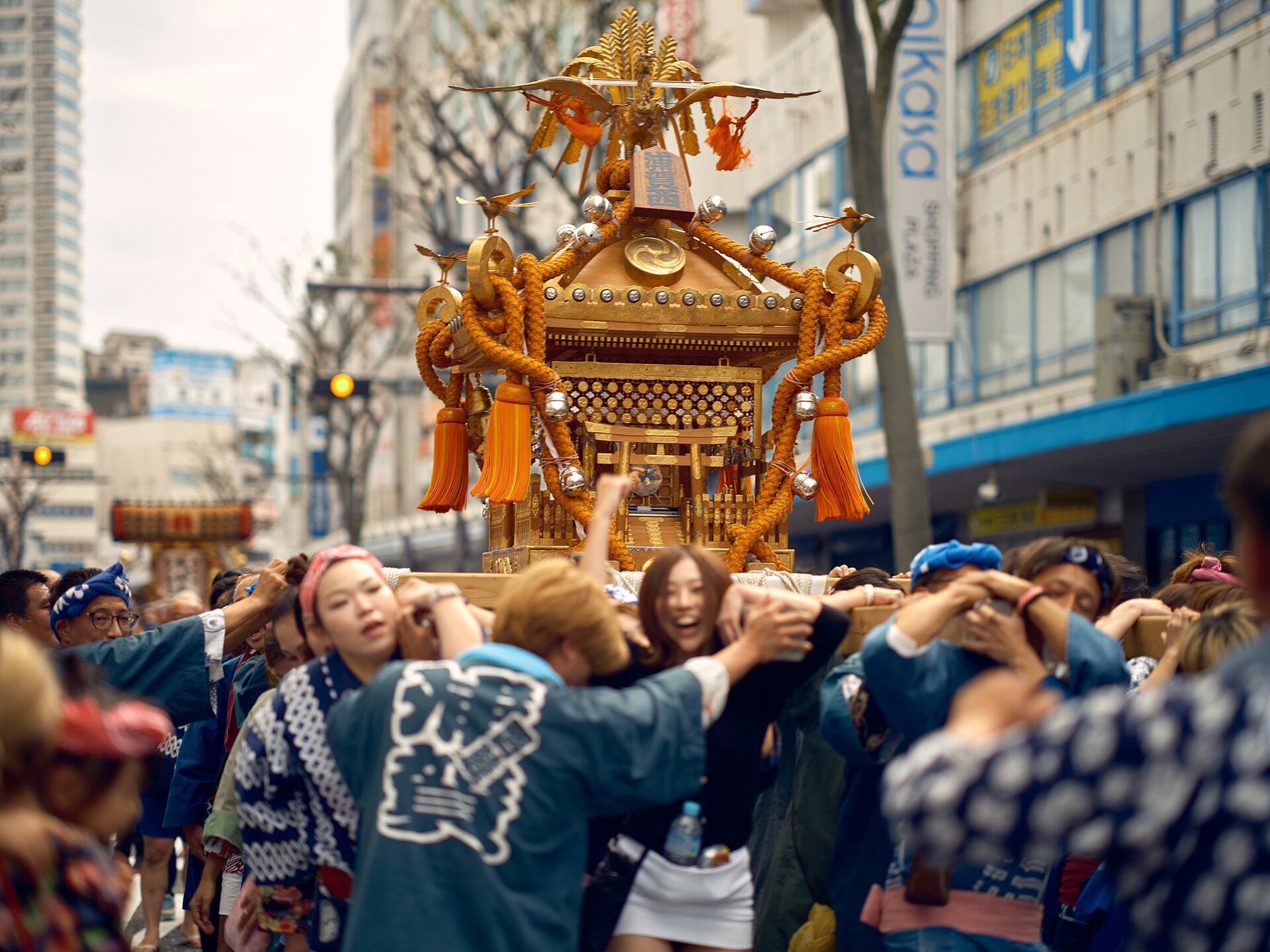
There’s never really a bad time to visit Japan – but get your timing just right and you might just happen to catch one of the incredible regional festivals that take place up and down the country at various times in the year.
There are few finer ways to embrace Japanese culture than by joining the locals as they let their hair down for a special celebration. Some Japanese festivals are laced with historic significance, some just an expression of that characteristic Japanese eccentricity – but wherever you end up, you’ll experience something unlike anything on this side of the world.
Here are a few of our favourites.
Nebuta Matsuri
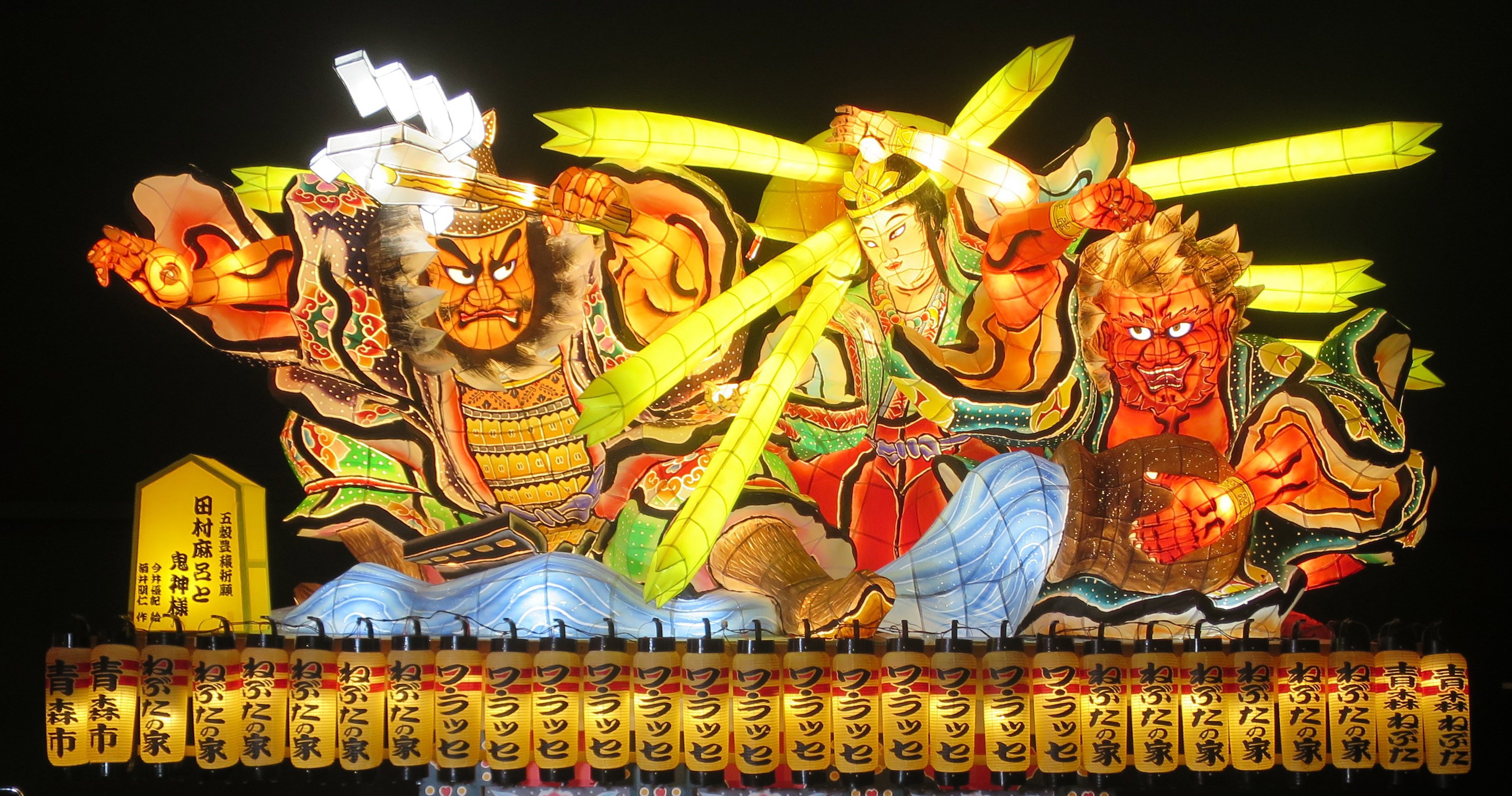
In northern Japan, the coming of summer means one thing: it’s festival time. The greatest of these takes place up in Aomori, on the far northern tip of Honshu island, at the start of August. Visitors from around Japan (and a small number from further afield) flock to this usually quiet part of the country to watch the dozens of spectacular festival floats depicting characters from folklore, historic figures or even gods. The floats are paraded through the town to the beat of huge taiko drums and accompanied by a traditional folk dance. In these parts, it’s the epitome of summer and the biggest of all the festivals in the Tohoku region – although the Kanto Matsuri in Akita or Tanabata in Sendai give it a good run for its money.
Takayama Festival
Held twice a year – once in the spring and once in the autumn – the rural town of Takayama comes alive in an explosion of colour for its sacred festivals. The stars of the show are the stunning ‘yatai’ festival floats – 12 in total and each elaborately decorated by master craftsmen, often showcasing displays of marionette theatre, dance or taiko drum-playing. The floats are paraded through the town in the evening as crowds line the street to a cacophony of music and dancing. It’s chaotic but there is a deeper meaning behind the whole thing, with each of the festivals being the biggest event of the year for the local Hie and Hachiman shrines respectively.
Awa Odori
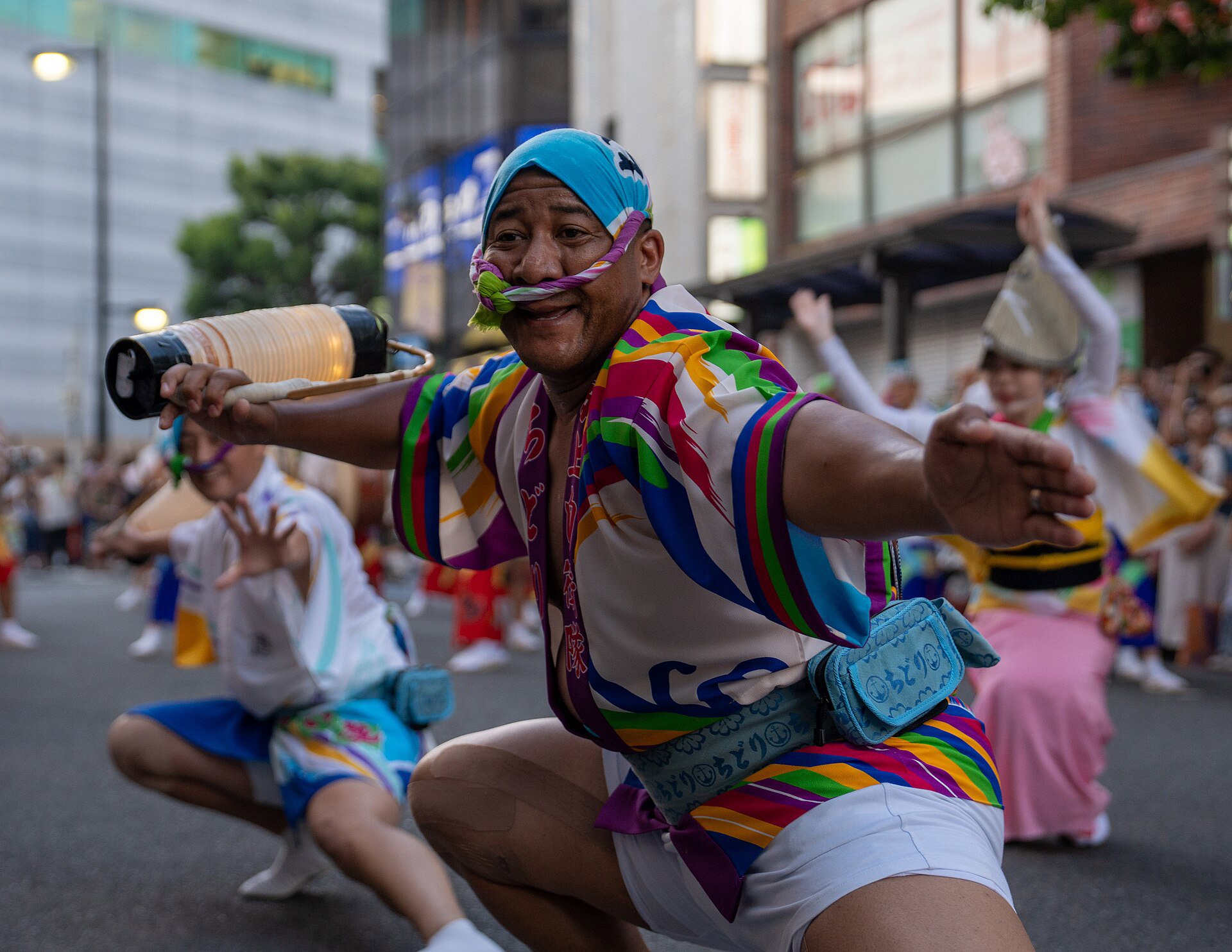
Japan’s biggest and most famous dance festival, Awa Odori takes place in Tokushima on the island of Shikoku in the middle of August. Tracing its roots back more than 400 years, the festival sees thousands of participants don traditional happi or yukata robes to take part in what is known as the ‘Fools Dance’. You don’t have to join in – there are spectators’ areas and in the evening the town centre hosts several stages where professional dance teams show off their skills. For a normally sleepy town, Tokushima is transformed into a vibrant and lively city of music, brightly coloured dancers and the delicious smells of street food – a true festival atmosphere.
Naha Hari
One of Japan’s most unusual festivals, on the southern islands of Okinawa, May is the season for dragon boat races. Locals will take to the water in brightly painted boats decorated with intricately styled dragon figureheads to compete in exciting races. There’s a spiritual element behind the fun and competition: traditionally, a hari festival is held to pray for safe voyages through the summer and thank the sea gods for their bounty. Similar festivals are held throughout the southern Okinawa, Amami and Yeayama island chains but the biggest of all these takes place in Okinawa’s capital, Naha. Over 180,000 spectators come out to watch the races, creating a true festival atmosphere complete with music, delicious food and fireworks.
Sapporo Snow Festival
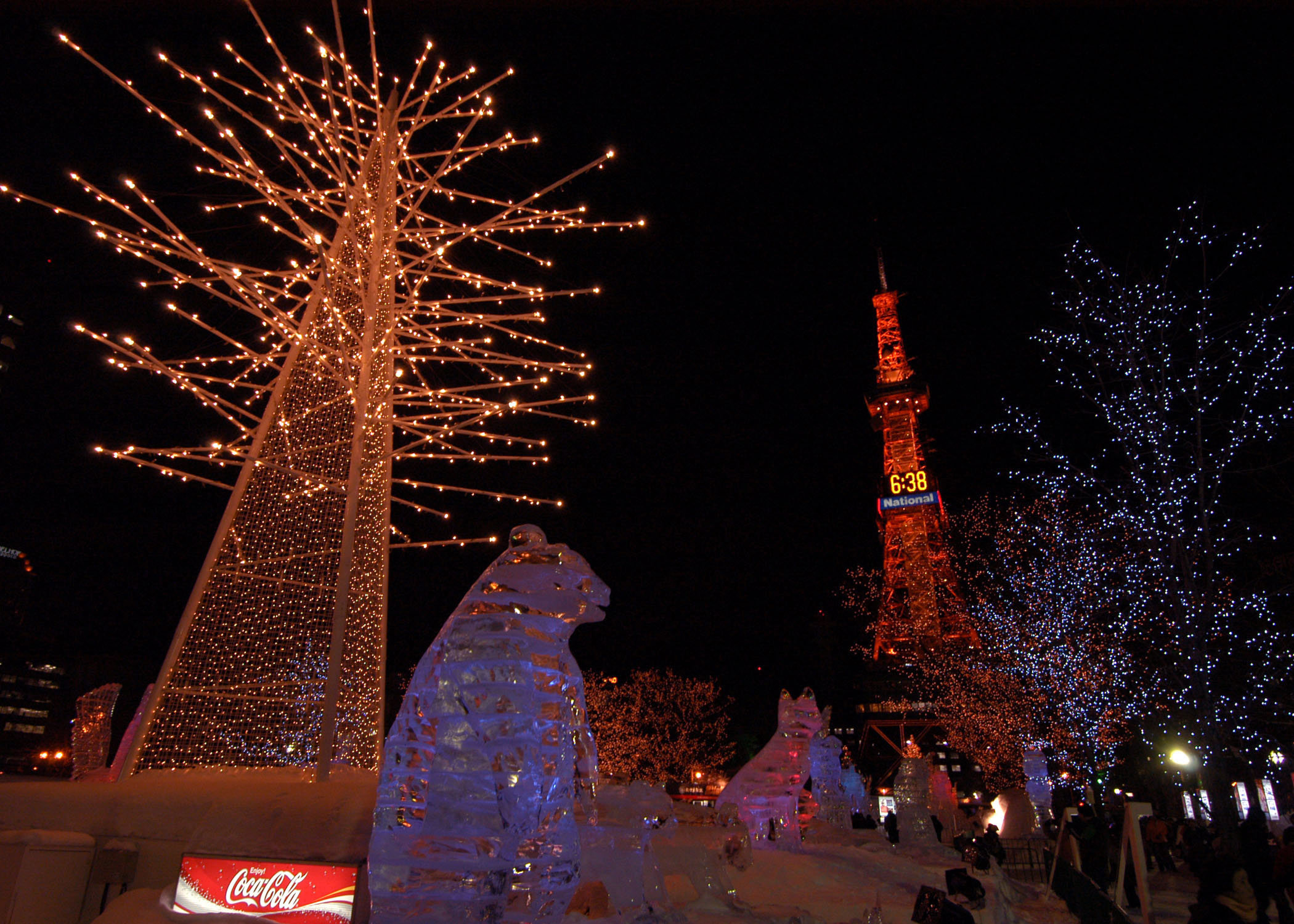
Japan’s northern island of Hokkaido is one of the most snow-drenched places on earth – so what better place to celebrate all things wintry than in the vibrant capital of Hokkaido, Sapporo? Every February, the city centre is transformed into a frozen art gallery bedecked with incredible sculptures of snow and ice showcasing popular cartoon characters, sports stars or famous works of architecture from around Japan. Events are held across the city, including the International Snow Sculpture Contest and winter sports demonstrations.
Kamakura Matsuri
Kamakura, a one-time capital of Japan and popular day trip from Tokyo due to its abundance of beautiful temples and giant Buddha statue, is all about history. So it’s no surprise that the annual spring festival here is steeped in tradition. The festival itself, which takes place around the impressive Tsurugaoka Hachimangu temple, it features a distinctive dance called the Shizuka no Mai, named after a famous figure in Japanese folklore. But the real star attraction is the display of yabusame – mounted archery, in which talented archers on horseback perform unbelievable feats of speed and accuracy in a unique archery tournament with roots stretching back through Japanese history.
Sanja Matsuri
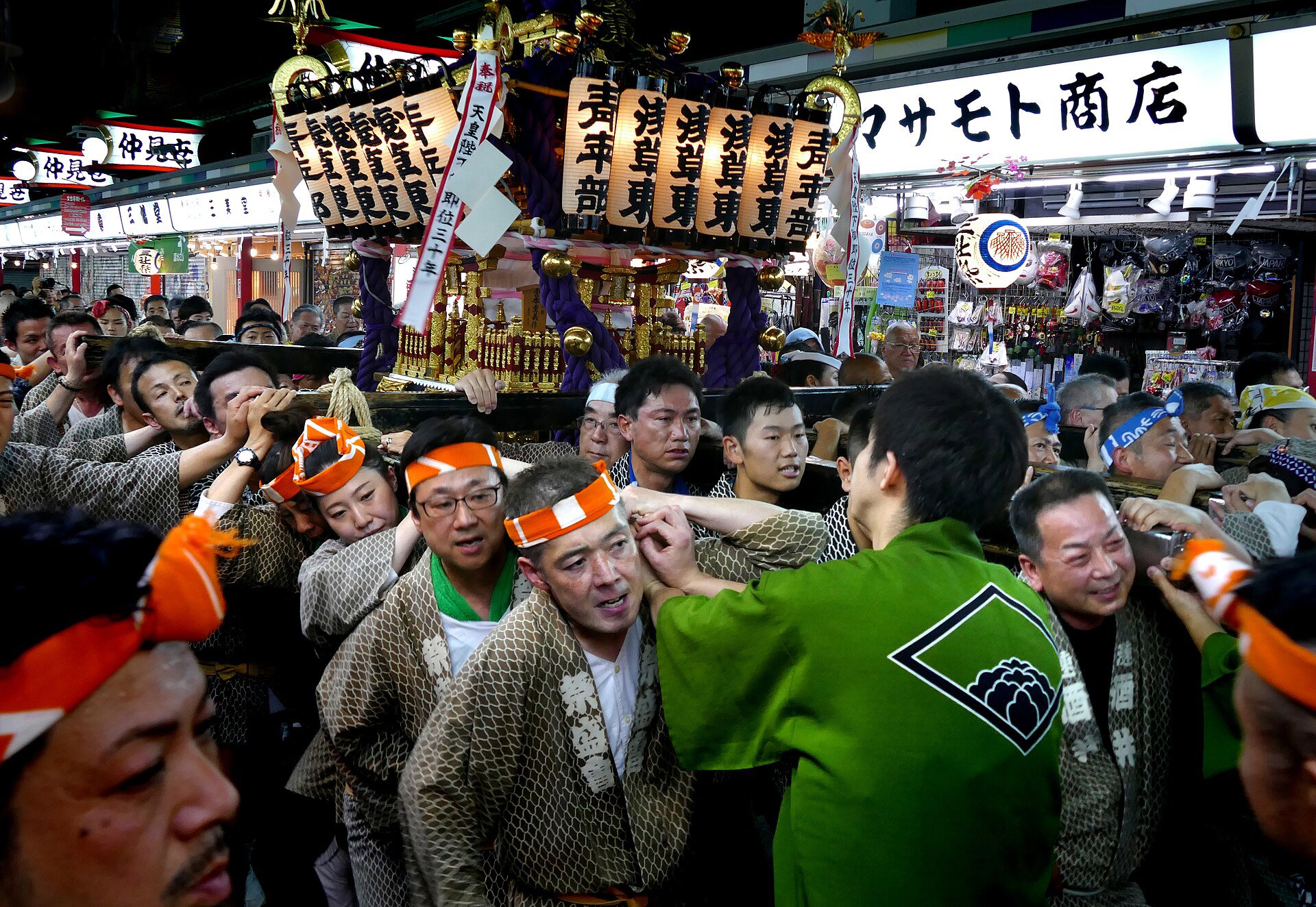
You don’t have to travel to far-flung corners of Japan to experience a festival atmosphere. Japan’s big cities have a host of local festivals in each of their various neighbourhoods throughout the year. Tokyo’s best known is the Sanja Matsuri, which takes place in the historic Asakusa district in May. Hosted by the famous Sensoji temple in celebration of the three founders of the temple, the festival attracts nearly two million visitors over its three days to see musicians and dancers in period dress, watch the procession of the mikoshi floats and participate in the Shinto ceremonies. One to avoid if you hate crowds, but if you’re prepared to dive in and get swept up in the merry-making it’s sure to be one of the highlights of your time in Tokyo.
Japan is blessed with a host of special events and festivals but timing is everything: the crowds can be immense and hotels are often booked out months in advance. If you don't want to miss out, why not let our experts deal with the complicated logictics? Click here to get in contact or call us on 01242 242 505 to begin your Different Japan experience.