Different Japan
Why You Should Visit Nikko as Part of Your Japan Holiday
Discover why Nikko is one of Japan’s most rewarding destinations, and why a visit to Nikko National Park and hidden mountain history, should be on your list.
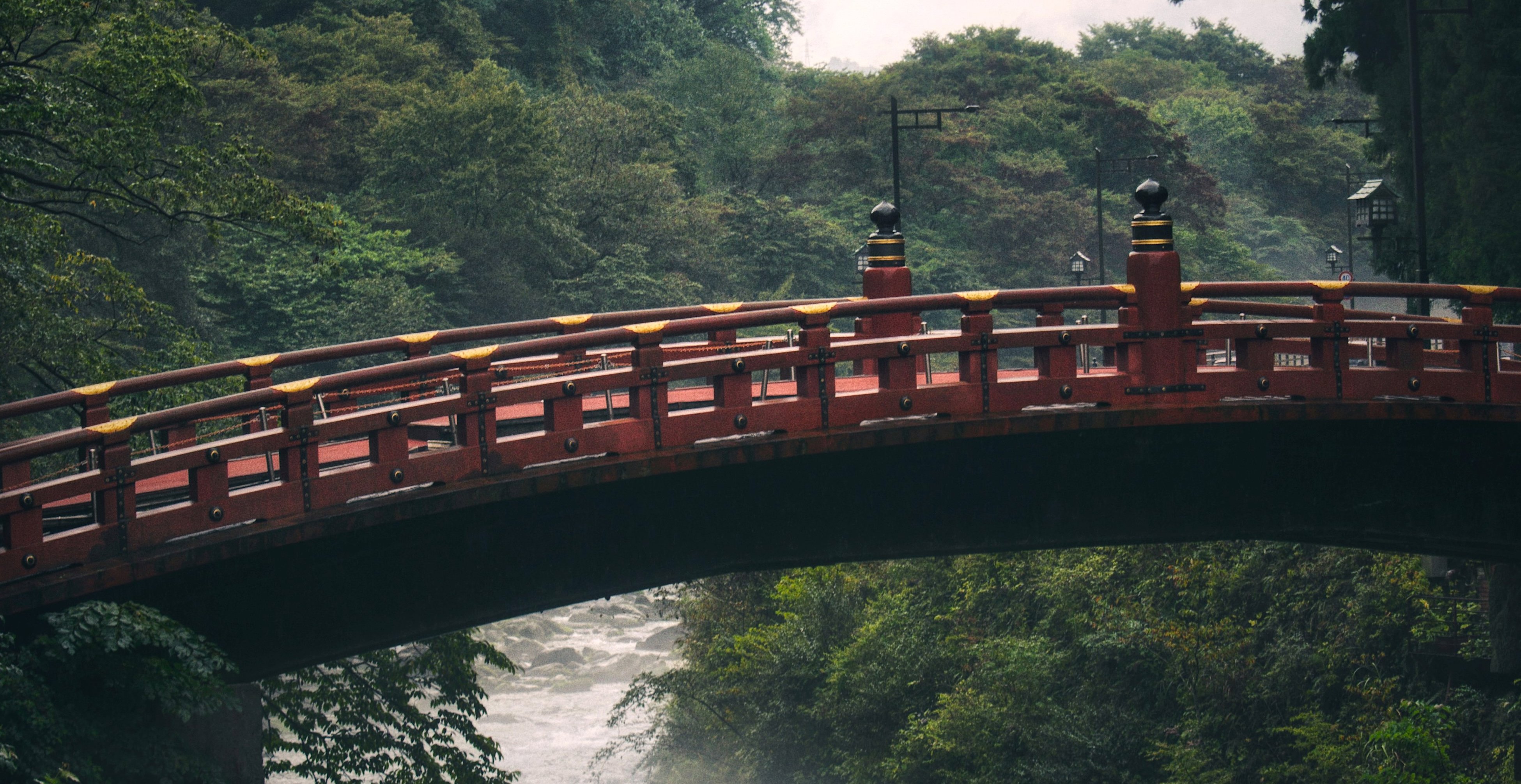
I’m regularly asked by clients whether Nikko is worth visiting, and my answer – without fail – is an enthusiastic yes.
Whether visiting to enjoy the stunning natural scenery, see Japan’s most elaborate and impressive temple complex, experience a taste of traditional Japanese hospitality at a ryokan inn, or soak in the natural onsen hot spring waters, there really is something for everyone here.
Slight disclaimer: I lived for several years in Nikko. I married my wife in Nikko (at the historic Futarasan shrine). I still have friends and family in the area. As you can tell, it’s a place that is very close to my heart.
But I do have a whole range of reasons beyond just the sentimental to recommend this wonderful part of the world.
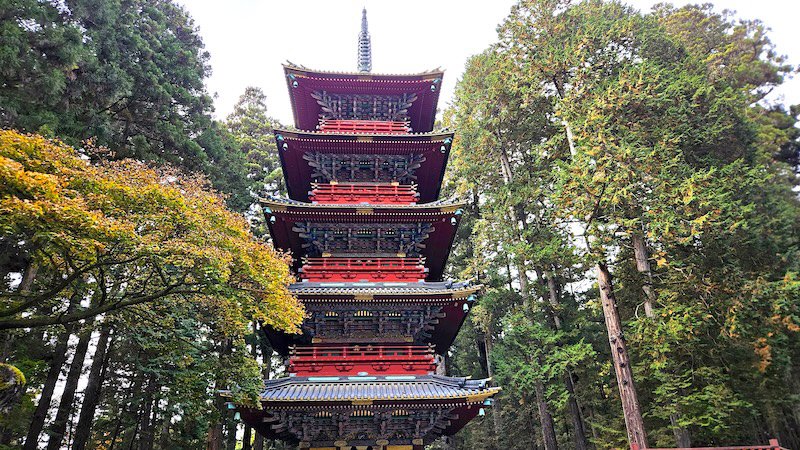
Nikko’s Toshogu Shrine, Japan’s Most Elaborate Temple Complex
I may as well start with the most obvious, the thing which draws thousands of visitors each day to make the 90-minute journey north from Tokyo: Nikko’s stunning Toshogu temple complex. Originally constructed in the 1600s as a memorial to Tokugawa Ieyasu, Japan’s greatest Shogun ruler, it’s the most ostentatious display of craftsmanship and grandeur you’ll find anywhere in Japan.
When I lived in the area, I would take everyone who came to visit me to see the temple, so I’ve been here dozens of times. And yet I still find new details which amaze me every time in the ornate gold-leaf, the magnificent temple paintings and statuary. It really has to be seen to be believed – nowhere in Japan does history feel more alive than here.
But that really is just the tip of the iceberg – and 99% of visitors to the area never get beyond this. Scratch beneath the surface and Nikko’s history reveals itself to be deeper and more fascinating even than that.
During my first winter in Nikko, I just happened to stumble upon some of that hidden history, tucked away in a remote corner of the mountains – a world away from the crowds at Toshogu. Winding my way up the narrow mountain roads taking me out of town, I saw the first patches of snow as I passed through the famous onsen resort of Kinugawa, the temperature notably plummeting as I continued my ascent, leaving the resort area’s ramshackle cluster of high-rise onsen hotels behind me.
By the time I reached the rather less famous onsen town of Kawaji, the snow was knee-deep and traffic had slowed to a crawl. Persevering through an epic snow flurry, I eventually made it to my destination – a hardy cluster of thatched-roof huts clinging to the side of the mountain. Yunishigawa Onsen, a tiny community hidden away in a remote mountain pass. A place that is, quite deliberately, as remote as it’s possible to be in this part of the world.
I had come to see the Kamakura Matsuri, a small local festival in which hundreds – thousands, even – of candles are lined up along the riverbank within tiny individual igloos. It’s a beautiful sight and well worth the journey, but I came away far more impressed by the unexpected history lesson I received there.
The Taira Clan and the 800-Year-Old Mountain Village
The present-day settlement is centred around an 800-year-old village of thatched-roof houses known as Heike no Sato. I had wondered why anyone would choose to live in such a harsh environment, so far from civilization – but it turns out Yunishigawa’s remoteness is precisely the point.
The area was settled in the 1200s by members of the Taira clan, fleeing persecution after their defeat in the Genpei War. Seeking refuge in the most remote location possible, they came to Yunishigawa, where they constructed a tiny village high in the mountains. Many of the residents today are actually descendants of those original settlers, still hiding out in the mountains around Nikko hundreds of years later.
Hiking in Nikko National Park
They’re understandably proud of their home, in the midst of lush forest and surrounded by beautiful mountains. This kind of natural beauty is everywhere in Nikko, and one of my favourite things to do while I lived here was to get out into Nikko National Park and explore it all.
Mt Shirane – The Highest Peak in Tochigi and Gunma
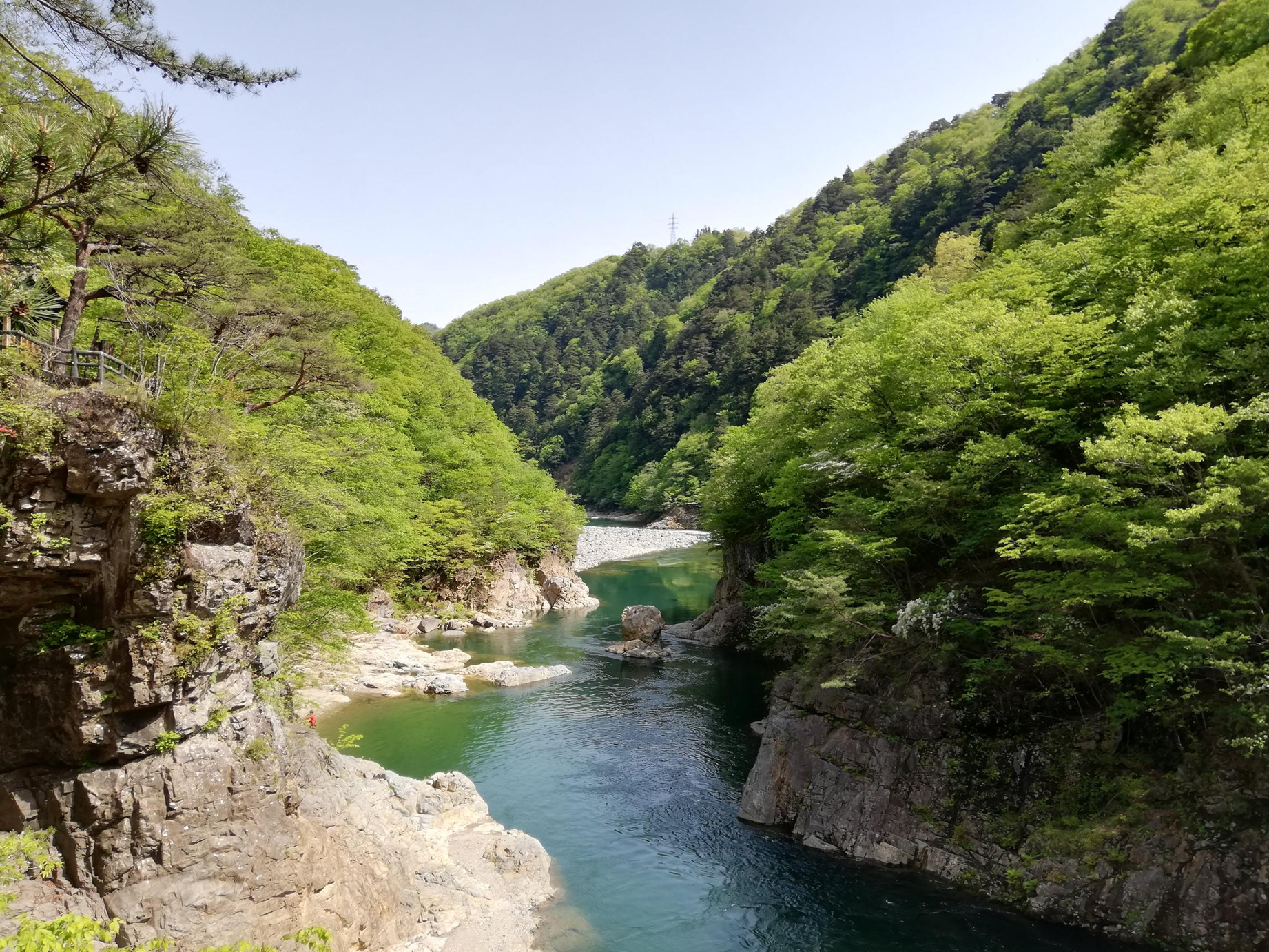
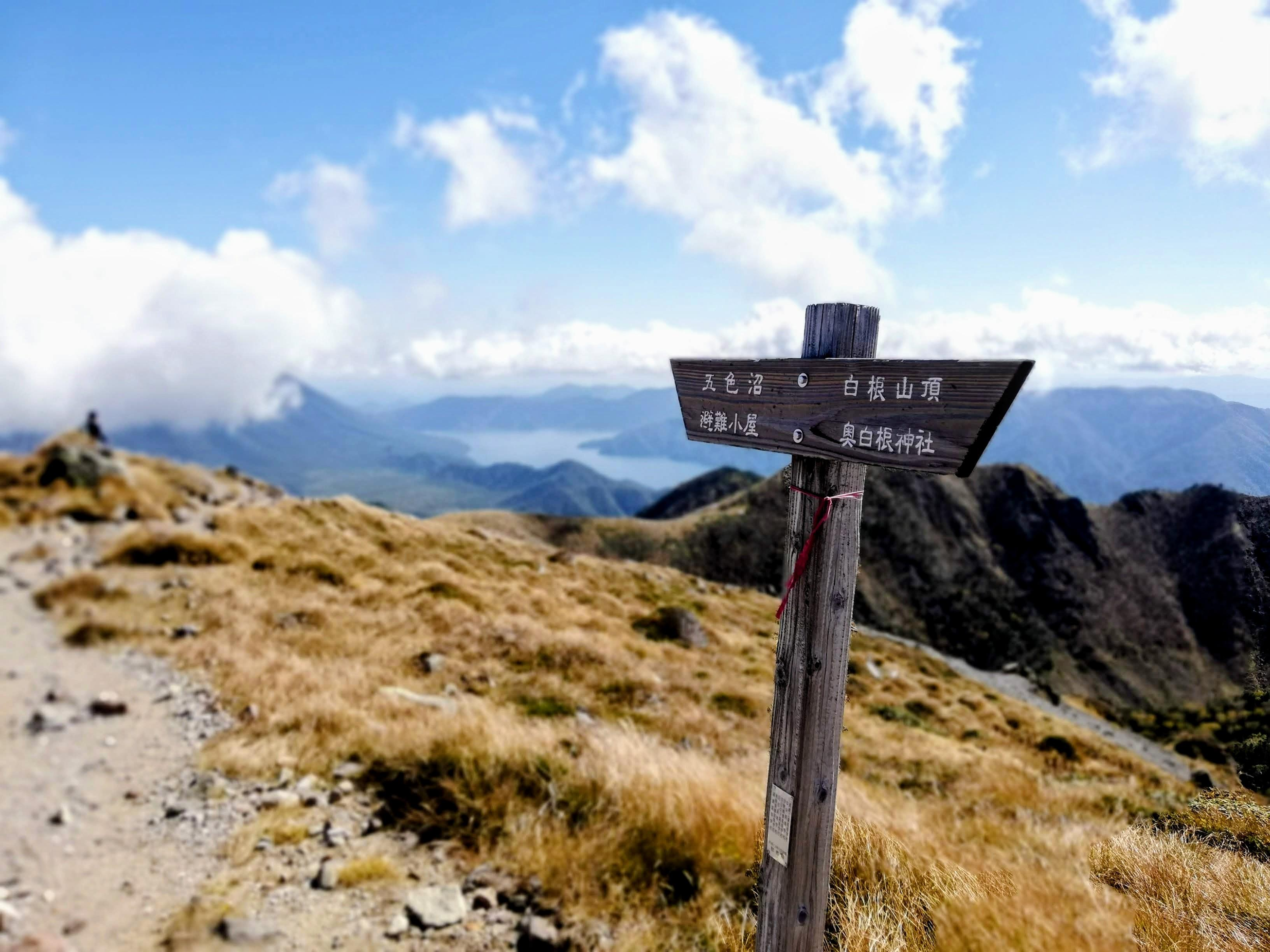
I’ve marvelled at the beautiful Autumn foliage while walking through the Ryuo Gorge, explored the grasslands of the Senjogahara Plain surrounded by jagged mountains on all sides, and joined pilgrims scrambling up the sacred Mt Nantai. But the most stunning of all the hikes I undertook here took me deep into the national park to the prefectural border, where the epic Mt Shirane rises above the it all – technically the highest point in both Tochigi and Gunma prefectures.
The hike isn’t especially long, nor is it particularly challenging, but with 1,000m of elevation gain over a 9km trek it’s incredibly varied. I started by picking my way through lush vegetation before climbing up to a plateau of swampy wetland. Climbing a little further brought me to a stunning blue-green lake called Goshikinuma, an idyllic spot tucked amongst the mountains and completely hidden from below.
Lake Chuzenji and Mt Nantai Views
I could have happily spent the rest of the day here cooling my tired feet in the clear waters but I soon found myself back on the trail and navigating a rocky ridgeway to the peak. This is where choosing to climb the Gunma side paid off – cresting the final hill opened up a vista across the whole of the Nikko National Park, including the perfect cone of the iconic Mt Nantai, towering over beautiful Lake Chuzenji. It is undoubtedly one of the most incredible views I’ve seen anywhere in Japan.
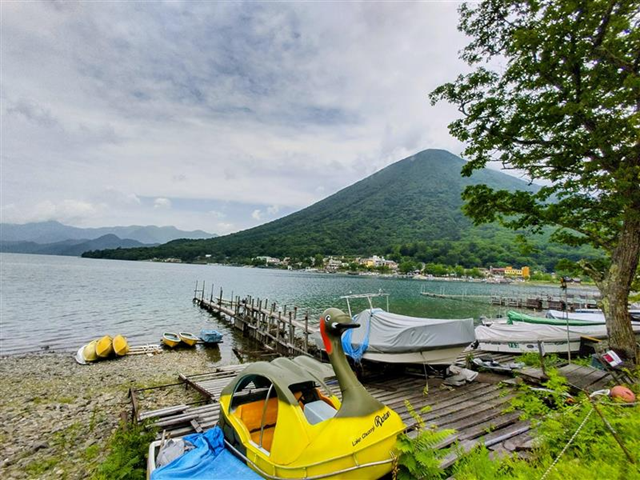
Limbs aching, I made my way back down the mountain and immediate headed for the onsen hot springs – yet another area where Nikko excels. There’s really nothing better after a long day of hiking than to relax in the restorative waters of a good onsen. Nikko is blessed with some glorious hotels and ryokans, many of them with their own hot spring baths on site.
Why You Should Stay Longer in Nikko
So while most visitors to the area come for the day before hopping on the train back to Tokyo, my advice is to stick around a little longer and scratch beneath the surface. Like me, you might just be surprised what you’ll find.
If you’d like to visit Nikko as part of your luxury trip to Japan, please don’t hesitate! As an example of including Nikko in your holiday plans visit our Active Autumn or our Northern Odyssey sample itineraries.
Email info@differentjapan.com or call 01242 242505 to begin your Different Japan experience and discuss creating a personal travel itinerary tailored just for you.